
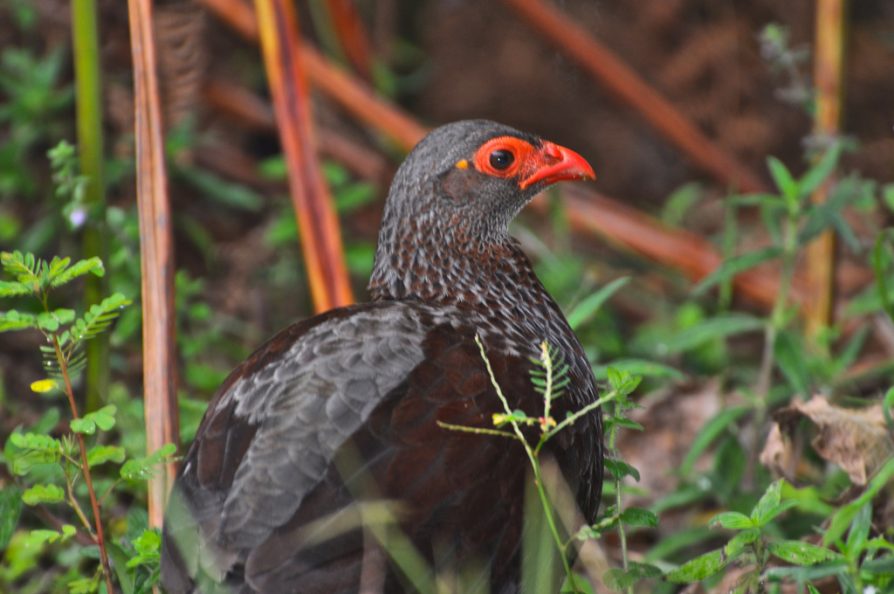
Uganda Albertine Rift Endemics Birding Tour
Uganda Albertine Rift Endemics Birding Tour
Uganda Albertine Rift Endemics Birding Tour: A Complete Guide for Avid Birdwatchers
Uganda, often referred to as the “Pearl of Africa,” is a haven for birdwatchers and nature enthusiasts. Among its most captivating regions is the Albertine Rift, a biodiversity hotspot teeming with rare and endemic bird species. This article delves into the wonders of the Uganda Albertine Rift Endemics Birding Tour, offering a comprehensive guide to the region’s unique avifauna, prime birding locations, expert tips, and much more.
Whether you’re a seasoned ornithologist or a passionate birder seeking your next adventure, this guide will help you explore the Albertine Rift’s avian treasures in the most rewarding way possible.
What is the Albertine Rift?
The Albertine Rift is a branch of the western section of the East African Rift, stretching from the northern end of Lake Albert in Uganda down through Rwanda, Burundi, and the Democratic Republic of Congo. It is one of Africa’s most important ecological zones, home to a high number of endemic species, including over 40 bird species found nowhere else on Earth.
Why the Albertine Rift is a Birding Paradise
- Over 1,000 bird species in Uganda
- 25+ Albertine Rift endemics
- Diverse habitats: montane forests, wetlands, savannahs
- Protected areas and national parks
- Easy accessibility and guided tours
For a curated birding experience, consider the Albertine Rift Endemics Birding Tour offered by Turkana Wildlife Safaris, which specializes in immersive, eco-friendly birding expeditions.
Top Albertine Rift Endemic Birds to Spot
The Albertine Rift is home to some of the most sought-after birds in Africa. Here are several iconic species you can expect to encounter:
1. Rwenzori Turaco (Gallirex johnstoni)
- Vibrant green and crimson plumage
- Found in montane forests of the Rwenzori Mountains
- Often seen in pairs or small groups
2. Grauer’s Broadbill (Pseudocalyptomena graueri)
- Extremely rare and localized
- Prefers dense montane forests
- Best seen in Bwindi Impenetrable Forest
3. Shelley’s Crimsonwing (Cryptospiza shelleyi)
- One of Africa’s rarest finches
- Endemic to high-altitude forests
- Elusive and challenging to spot
4. Handsome Francolin (Pternistis nobilis)
- Striking plumage with chestnut and black patterns
- Inhabits forest edges and clearings
- Common in Mgahinga Gorilla National Park
5. Dusky Crimsonwing (Cryptospiza jacksoni)
- Small, shy finch with crimson underparts
- Found in undergrowth of montane forests
- Often seen in Bwindi and Mgahinga
Best Birding Destinations in Uganda’s Albertine Rift
Bwindi Impenetrable National Park
A UNESCO World Heritage Site, Bwindi is not only famous for its mountain gorillas but also for its exceptional birdlife. It hosts over 350 bird species, including 23 Albertine Rift endemics.
Highlights:
- African Green Broadbill
- Yellow-eyed Black Flycatcher
- Mountain Masked Apalis
Mgahinga Gorilla National Park
This small park packs a punch with its high-altitude forests and volcanic landscapes. It’s a prime location for spotting the Rwenzori Turaco and other highland species.
Highlights:
- Rwenzori Double-collared Sunbird
- Archer’s Robin-Chat
- Stripe-breasted Tit
Rwenzori Mountains National Park
Known as the “Mountains of the Moon,” this park offers stunning alpine scenery and unique bird species.
Highlights:
- Rwenzori Batis
- Lagden’s Bushshrike
- Strange Weaver
Semuliki National Park
Located in the westernmost part of Uganda, Semuliki is a lowland rainforest with strong Central African affinities.
Highlights:
- Nkulengu Rail
- Congo Serpent Eagle
- White-crested Hornbill
When to Go Birding in the Albertine Rift
Uganda offers year-round birding, but the best months are:
- December to February: Dry season, easier forest access
- June to August: Peak bird activity and breeding season
- March to May & September to November: Wet season, but excellent for migratory birds
What to Pack for Your Birding Tour
To make the most of your Albertine Rift birding tour, come prepared:
- High-quality binoculars (8×42 or 10×42)
- Bird field guide (e.g., “Birds of East Africa” by Stevenson & Fanshawe)
- Camera with telephoto lens
- Waterproof hiking boots
- Lightweight, neutral-colored clothing
- Rain jacket and insect repellent
- Notebook or birding app for recording sightings
Expert Tips for a Successful Birding Tour
- Hire a local guide with experience in Albertine Rift endemics
- Start early in the morning when birds are most active
- Be patient and quiet in the field
- Join a group tour for shared knowledge and cost efficiency
- Use playback responsibly to avoid disturbing birds
For a professionally guided experience, check out Turkana Wildlife Safaris’ Uganda Birding Tours, which offer customized itineraries for all skill levels.
Conservation and Responsible Birding
The Albertine Rift is a fragile ecosystem. Responsible tourism helps protect its biodiversity.
How You Can Help:
- Support eco-lodges and local communities
- Avoid single-use plastics
- Follow park rules and stay on designated trails
- Report rare sightings to conservation bodies
Organizations like the Uganda Wildlife Authority (UWA) and Nature Uganda work tirelessly to conserve these habitats.
Sample Itinerary: 10-Day Albertine Rift Birding Tour
Here’s a sample itinerary from Turkana Wildlife Safaris:
Day 1: Arrival in Entebbe
- Briefing and overnight stay
Day 2-3: Mabamba Swamp & Lake Mburo
- Shoebill search
- Papyrus Gonolek, African Finfoot
Day 4-6: Bwindi Impenetrable Forest
- Full-day birding in Ruhija and Buhoma
- Optional gorilla trekking
Day 7-8: Mgahinga Gorilla National Park
- High-altitude endemics
- Rwenzori Turaco, Alpine Chat
Day 9: Echuya Forest Reserve
- Short birding walk
- Dusky Crimsonwing, Regal Sunbird
Day 10: Return to Entebbe
- Souvenir shopping
- Departure
Frequently Asked Questions (FAQ)
1. What makes the Albertine Rift unique for birding?
The Albertine Rift is a biodiversity hotspot with over 40 endemic bird species, many of which are not found anywhere else in the world. Its varied altitudes and habitats make it a dream destination for birdwatchers.
2. Is it safe to travel to Uganda for birding?
Yes, Uganda is considered one of the safest countries in East Africa for tourism. Reputable operators like Turkana Wildlife Safaris ensure secure and well-organized birding tours.
3. Can I combine birding with other activities?
Absolutely! Many birding tours include optional activities like gorilla trekking, cultural visits, and nature walks.
4. Do I need a permit for birding in national parks?
Yes, entry fees apply for most parks, and some areas require special permits. Your tour operator will usually handle these logistics.
5. What is the best way to book a birding tour?
The easiest and most reliable way is through a specialized operator like Turkana Wildlife Safaris, which offers tailored packages and expert guides.
Final Thoughts
The Uganda Albertine Rift Endemics Birding Tour is more than just a checklist expedition—it’s a journey into one of the most spectacular birding regions on the planet. With its rich diversity, stunning landscapes, and welcoming people, Uganda offers an unforgettable experience for every bird lover.
Whether you’re chasing the elusive Shelley’s Crimsonwing or marveling at the vibrant Rwenzori Turaco, the Albertine Rift promises a birding adventure like no other.
For bookings, detailed itineraries, and expert guidance, visit Turkana Wildlife Safaris and start planning your next avian adventure today!