
Wild Tribe Expeditions
Wild Tribe Expeditions
Wild Tribe Expeditions Uganda: Immersive Safaris, Cultural Encounters & Authentic Adventure.
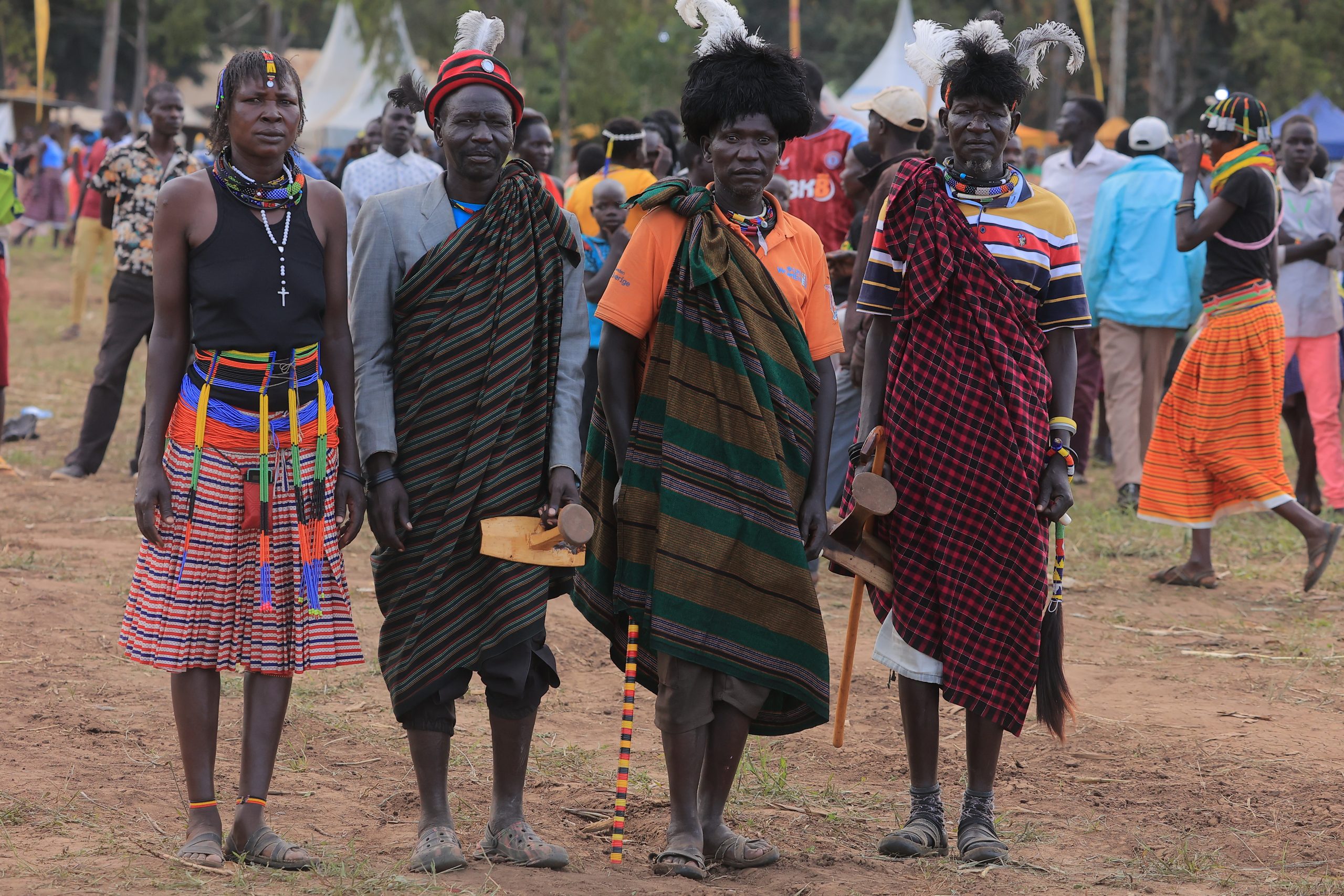
Uganda is one of Africa’s most quietly spectacular destinations: a country where rainforests fold into volcanic highlands, papyrus wetlands feed mighty rivers, and wildlife experiences feel raw, close, and profoundly human. Wild Tribe Expeditions Uganda speaks to travelers who want more than a checklist safari—those seeking primates, big game, birdlife, and living cultures woven into a single, well-paced journey.
Why Uganda Belongs at the Top of Your Safari List
Uganda’s strength is variety. In a single itinerary, you can track mountain gorillas, cruise a wildlife-rich channel, and finish with classic savannah game drives—without spending your whole holiday in transit.
Key reasons travelers choose Uganda:
- Primate capital of East Africa: gorillas and chimpanzees in one trip
- Compact diversity: rainforest, savannah, alpine zones, wetlands
- High-impact conservation: permits and community tourism fund protection
- Less crowded parks than some neighboring destinations
- Cultural depth: kingdoms, fishing villages, forest communities, pastoral traditions
If you’re comparing East African options, browsing safari concepts and route inspiration on a specialist operator like Turkana Wildlife Safaris can help you understand how Uganda pairs (or contrasts) with other regional circuits.
Signature Experiences with Wild Tribe Expeditions Uganda
Below are the core travel pillars most visitors want—refined into experiences that feel curated rather than rushed.
1) Gorilla Tracking in Bwindi Impenetrable Forest
Gorilla tracking is not just a highlight—it’s an emotional benchmark. Bwindi’s steep trails and tangled vegetation create the sense that you’re entering a private world, where every sound is amplified and every footprint matters.
What to expect:
- Early briefing by Uganda Wildlife Authority rangers
- Groups usually limited to reduce stress on families
- A hike that can be moderate to strenuous depending on gorilla location
- A short, unforgettable viewing window (often one hour) once the gorillas are found
Smart planning tips:
- Choose porters: they support local livelihoods and make the hike easier
- Pack for rainforest: quick-dry layers, gaiters, gloves, waterproof shell
- Build in buffer days: weather and tracking times vary
For travelers comparing premium vs midrange safari planning, a reference point is how broader East African operators structure pacing and logistics—explore itinerary patterns at Turkana Wildlife Safaris for ideas on balancing “wild time” with comfort.
2) Chimpanzee Tracking in Kibale Forest
Kibale is the classic destination for chimpanzees—vocal, intelligent, and endlessly dynamic. Unlike gorillas, chimps can move quickly, and tracking can feel more like a purposeful pursuit.
Best add-ons in the area:
- Bigodi Wetland Sanctuary walk (excellent for birds and community-led tourism)
- Crater lakes around Fort Portal
- Tea plantation landscapes and slow scenic drives
3) Murchison Falls: Big Landscapes, River Safari, and Power
Murchison Falls National Park is where the Nile compresses through a narrow gorge and detonates into mist and thunder—one of the most cinematic natural events in Africa.
Top experiences:
- Game drives for elephants, lions, giraffes, Uganda kob
- Boat safari to the base of the falls (hippos, crocodiles, birds)
- Optional hike near the falls for dramatic viewpoints
This park works exceptionally well early in the itinerary, as it eases you into safari rhythm before heading to primate forests.
4) Queen Elizabeth National Park: Savannah Meets Waterways
Queen Elizabeth is wonderfully varied—open plains, volcanic craters, forest pockets, and the iconic Kazinga Channel.
Highlights:
- Kazinga boat cruise (dense wildlife concentrations)
- Ishasha sector for tree-climbing lions (seasonal/variable sightings)
- Excellent birding diversity
5) Lake Mburo: A Short, Scenic Safari Close to Kampala/Entebbe
Lake Mburo is ideal at the start or end of a trip, especially if your schedule is tight. It’s known for zebra, eland, impala, and relaxed landscapes—plus the option for walking safaris in some zones.
Uganda Itinerary Ideas (Well-Paced, High-Impact)
Here are sample structures commonly used by Uganda specialists—adaptable based on time, budget, and fitness.
6–7 Days: Classic Gorilla + Savannah
- Entebbe → Queen Elizabeth → Bwindi → Lake Mburo → Entebbe
8–10 Days: Primate Focus + Falls
- Entebbe → Murchison Falls → Kibale → Queen Elizabeth → Bwindi
10–14 Days: Comprehensive Uganda
- Murchison Falls → Kibale → Queen Elizabeth → Bwindi → Lake Mburo
- Add Jinja for Nile-adjacent downtime or adventure
If you like comparing different safari philosophies—fast-moving circuits vs slower, lodge-based travel—scan ideas and general safari frameworks at Turkana Wildlife Safaris and map what style fits your travel identity.
When to Go: Seasons, Permits, and Wildlife Viewing
Uganda is fairly year-round, but seasonality influences trekking comfort, road conditions, and availability.
Dry seasons (often best for trekking)
- Typically: June–August and December–February
- Easier forest hikes, better traction
- Peak demand: secure permits and lodges early
Wet seasons (often greener, sometimes quieter)
- Lusher landscapes, fewer crowds in some areas
- More challenging trails for gorilla/chimp trekking
- Strong birding, dramatic skies, photogenic greenery
Choosing the Right Safari Style
Private safari (most flexible)
- Tailored pacing
- Best for photographers, families, honeymooners
- Higher cost but maximized comfort
Small group safari
- Lower cost
- Fixed itinerary
- Social experience
Fly-in vs drive
- Fly-in reduces road time and increases comfort
- Drive-in offers scenery, cultural encounters, and value
To understand how operators structure “fly-in” convenience versus “overland” immersion, you can compare regional safari logistics ideas on Turkana Wildlife Safaris.
What to Pack for Wild Tribe Expeditions Uganda
A compact but effective packing list:
- Neutral safari clothing (quick-dry)
- Waterproof jacket / poncho
- Long socks + gaiters (forest trekking)
- Light gloves (protect hands on vines)
- Insect repellent + anti-itch cream
- Binoculars (especially for birding and primates)
- Camera with rain protection
- Personal meds + basic first-aid kit
- Soft duffel bag (better for small vehicles)
Responsible Travel: Conservation and Community Matter
Uganda’s best trips are those that leave value behind—financially and culturally.
Look for:
- Community-owned lodge elements and local employment
- Ethical primate protocols (distance, masks where required, no flash)
- Low-impact driving and off-road rules compliance
- Transparent permit handling
Operators with strong regional expertise often publish travel guidance and ethics; broader regional perspectives can be reviewed via Turkana Wildlife Safaris, then adapted specifically to Uganda’s regulations.
FAQ: Wild Tribe Expeditions Uganda
1) Do I need a permit for gorilla trekking in Uganda?
Yes. Gorilla trekking requires a permit, and availability can be limited in peak seasons. Booking early is strongly recommended.
2) Is Uganda safe for safari travelers?
In most tourism circuits, yes—especially when traveling with a reputable operator and following standard travel advice. Your guide will manage routing and local conditions.
3) How difficult is gorilla trekking in Bwindi?
Difficulty varies by gorilla family location and trail conditions. Expect steep, uneven terrain and humidity. Porters are highly recommended.
4) Can I combine Uganda with other East African destinations?
Yes. Many travelers combine Uganda with Kenya or Tanzania depending on time and interests. For regional itinerary inspiration, browse Turkana Wildlife Safaris.
5) What’s the best time of year for primate tracking?
Drier months typically make trekking easier (better traction, fewer muddy sections), though sightings can be excellent year-round.