
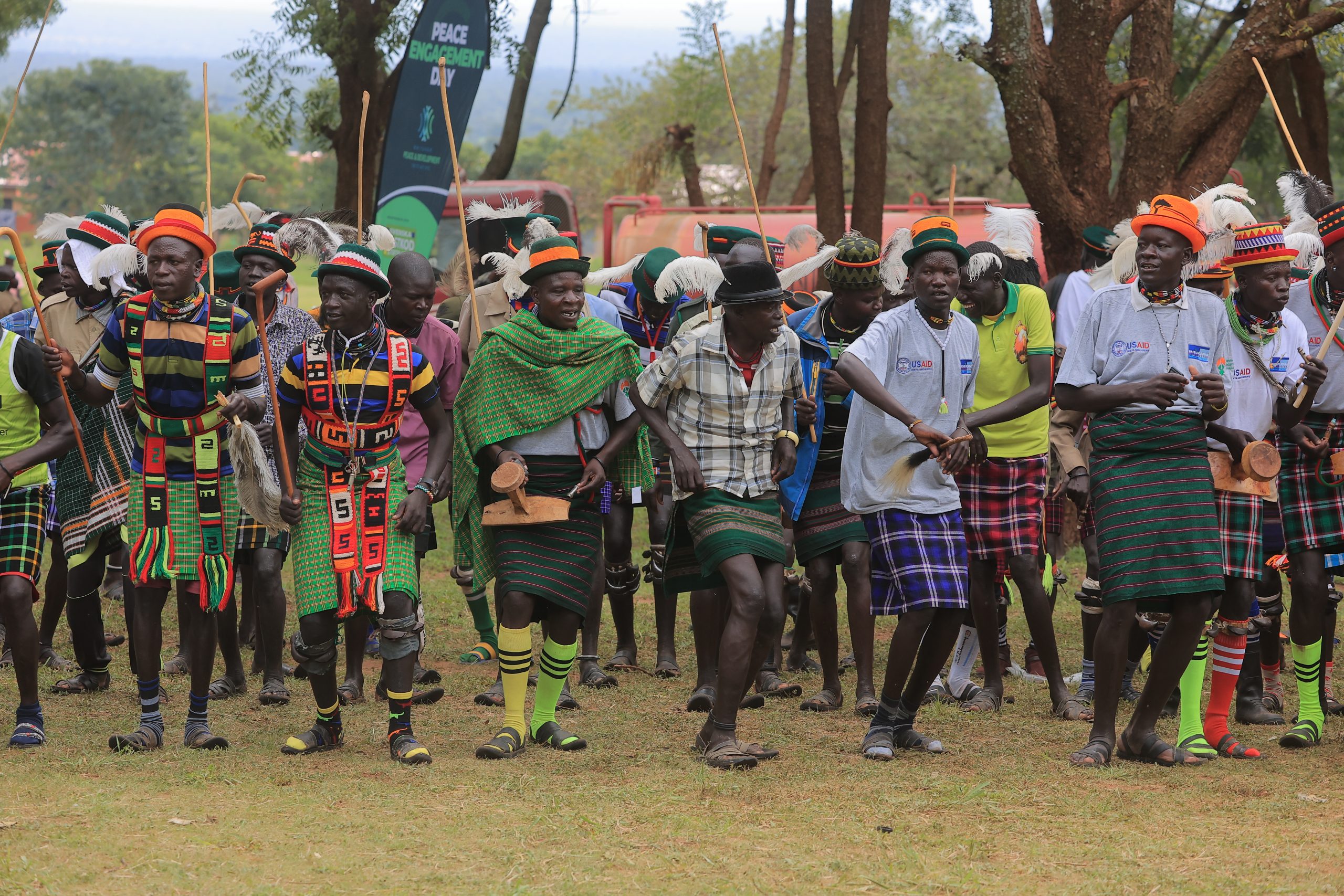
Ugandas Cultural Heritage
Ugandas Cultural Heritage
Uganda’s Cultural Heritage: A Journey Through Tradition, Identity, and Wildlife Adventures with Turkana Safaris
Introduction
Uganda, often referred to as the “Pearl of Africa,” is a country rich in cultural diversity, history, and natural beauty. With over 50 distinct ethnic groups, each with its own language, customs, and traditions, Uganda’s cultural heritage is both vibrant and deeply rooted. When combined with unforgettable wildlife experiences offered by Turkana Wildlife Safaris Uganda, visitors are presented with a unique opportunity to explore not only the country’s landscapes but also the soul of its people.
Uganda’s Cultural Heritage
1. Ethnic Diversity and Traditions
Uganda’s cultural identity is shaped by its many ethnic communities, including the Baganda, Banyankole, Basoga, Bakiga, and Acholi. Each group contributes unique traditions, music, dance, and social structures.
- The Baganda Kingdom is known for its centralized monarchy led by the Kabaka.
- The Banyankole are famous for their long-horned Ankole cattle and pastoral lifestyle.
- The Acholi are renowned for their storytelling, traditional dances, and resilience.
These traditions are preserved through ceremonies, storytelling, and community gatherings.
2. Music, Dance, and Art
Music and dance are central to Ugandan culture. Instruments like drums (engalabi), xylophones (amadinda), and harps (adungu) accompany performances that celebrate life events such as births, marriages, and harvests.
Art forms such as basket weaving, pottery, and bark cloth making are not only expressions of creativity but also sources of livelihood.
3. Cultural Sites and Heritage Landmarks
Uganda is home to several cultural landmarks that reflect its rich history:
- Kasubi Tombs. A UNESCO World Heritage Site and burial grounds for Buganda kings.
- Nyero Rock Paintings. Ancient art that dates back thousands of years.
- Kabaka’s Palace. A symbol of Buganda’s political and cultural authority.
These sites offer insight into Uganda’s past and the continuity of its traditions.
4. Traditional Cuisine
Ugandan cuisine is a reflection of its agricultural abundance and cultural diversity. Staple foods include:
- Matooke (steamed bananas)
- Posho (maize meal)
- Groundnut sauce
- Luwombo (stew cooked in banana leaves)
Meals are often communal, emphasizing unity and hospitality.
Wildlife Adventures with Turkana Wildlife Safaris Uganda
Turkana Wildlife Safaris Uganda enhances cultural exploration with thrilling wildlife experiences. Their tours combine nature, conservation, and cultural immersion.
1. National Park Safaris
Visitors can explore Uganda’s famous national parks:
- Murchison Falls National Park. Known for powerful waterfalls and diverse wildlife.
- Queen Elizabeth National Park. Famous for tree climbing lions and birdlife.
- Bwindi Impenetrable Forest. Home to endangered mountain gorillas.
2. Cultural Encounters
Turkana Safaris integrates cultural visits into their itineraries:
- Village tours where visitors interact with local communities
- Traditional dance performances
- Craft-making demonstrations
These experiences allow travelers to connect with Uganda beyond wildlife.
3. Sustainable Tourism
Turkana Wildlife Safaris Uganda emphasizes eco-friendly tourism:
- Supporting local communities
- Promoting conservation efforts
- Encouraging responsible travel practices
This ensures that tourism benefits both people and the environment.
Frequently Asked Questions (FAQs)
1. What makes Uganda’s cultural heritage unique?
Uganda’s heritage stands out due to its ethnic diversity, rich traditions, and the coexistence of modern and traditional lifestyles.
2. What can I expect from Turkana Wildlife Safaris Uganda?
You can expect a blend of wildlife adventures, cultural experiences, comfortable accommodations, and knowledgeable guides.
3. Is it safe to visit cultural sites in Uganda?
Yes, most cultural sites are safe and well-managed. Guided tours enhance both safety and understanding.
4. When is the best time to visit Uganda?
The best time is during the dry seasons (December–February and June–August), which are ideal for wildlife viewing and cultural tours.
5. Can I participate in cultural activities?
Yes, many communities welcome visitors to participate in dances, cooking, and craft-making experiences.
Conclusion
Uganda’s cultural heritage is a living tapestry of traditions, languages, and customs that continue to thrive in modern times. When paired with the immersive wildlife experiences offered by Turkana Wildlife Safaris Uganda, travelers gain a holistic understanding of the country’s identity. From vibrant dances and historic sites to breathtaking landscapes and wildlife encounters, Uganda offers an unforgettable journey that touches both the heart and mind.