
Uganda Eco-tours
Uganda Eco-tours
Discover the Untamed Beauty of Uganda Eco-Tours: A Journey into Africa’s Green Heart
Uganda, often referred to as the “Pearl of Africa,” is a land of breathtaking biodiversity, lush landscapes, and rich cultural heritage. Nestled in East Africa, this verdant country offers a unique blend of wildlife, adventure, and sustainability through its flourishing eco-tourism sector. Uganda eco-tours are not just vacations—they are immersive experiences that connect travelers with nature, local communities, and conservation efforts.
In this comprehensive guide, we’ll explore everything you need to know about eco-tours in Uganda, from the best destinations and activities to sustainable travel tips and how to book your unforgettable journey with trusted operators like Turkana Wildlife Safaris.
Why Choose Uganda for Eco-Tourism?
Uganda is a sanctuary for nature lovers and conservationists. With over 10 national parks, 12 wildlife reserves, and a variety of protected areas, it offers a diverse range of ecosystems—from tropical rainforests and savannahs to wetlands and volcanic mountains.
Key Reasons to Explore Uganda Sustainably:
- 🌿 Home to more than half of the world’s remaining mountain gorillas.
- 🐘 Diverse wildlife including elephants, lions, leopards, and over 1,000 bird species.
- 🏞️ Stunning landscapes like the Rwenzori Mountains and Lake Bunyonyi.
- 🌍 Strong community involvement in conservation and tourism.
- 🛖 Opportunities to engage in authentic cultural experiences.
Uganda’s eco-tourism initiatives are designed to protect its natural heritage while empowering local communities through sustainable development.
Top Eco-Tourism Destinations in Uganda
Whether you’re trekking through misty forests or cruising along the Nile, Uganda offers a wide array of eco-friendly destinations that cater to all types of travelers.
1. Bwindi Impenetrable National Park
A UNESCO World Heritage Site, Bwindi is world-renowned for its mountain gorilla trekking experiences. This dense rainforest is also home to over 120 species of mammals and 350 bird species.
Eco-Activities:
- Gorilla trekking
- Bird watching
- Nature walks with local guides
2. Queen Elizabeth National Park
Located in western Uganda, this park is a biodiversity hotspot. It features savannahs, wetlands, and crater lakes, making it ideal for eco-tourists.
Highlights:
- Tree-climbing lions in Ishasha
- Boat safaris on the Kazinga Channel
- Community-led cultural tours
3. Kibale Forest National Park
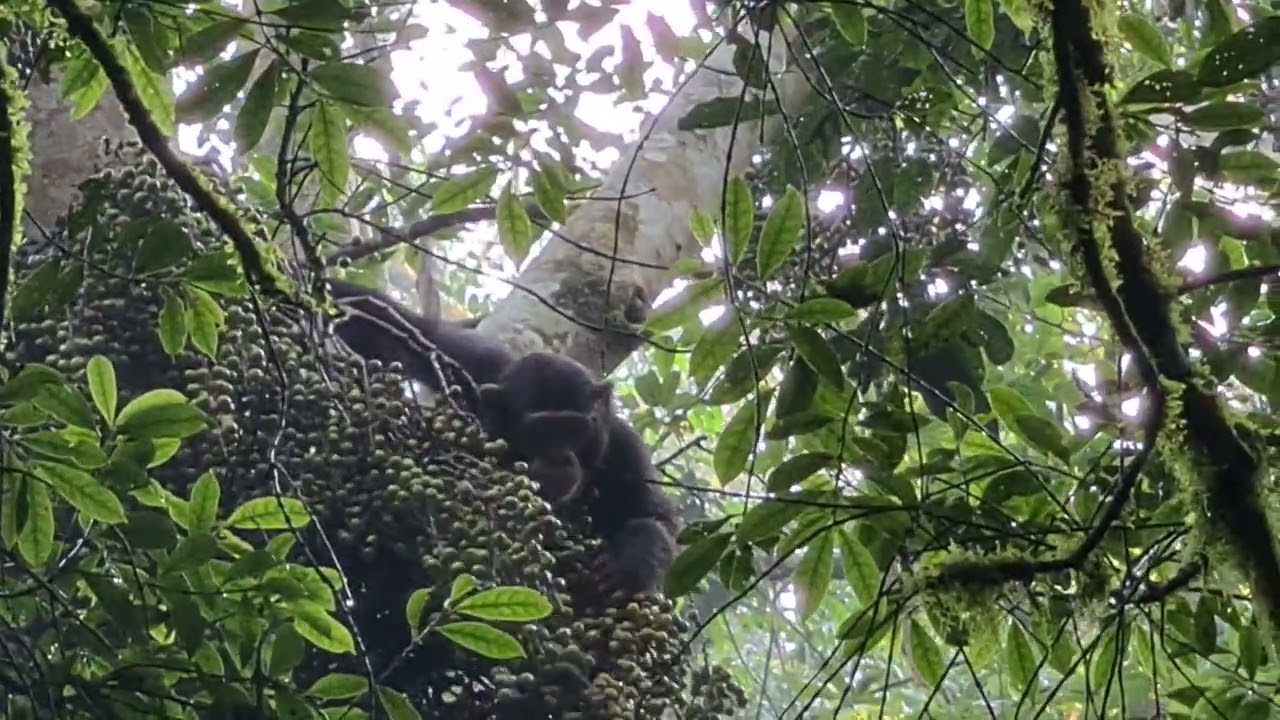
Known as the primate capital of the world, Kibale is a must-visit for those interested in chimpanzee tracking and forest ecology.
Activities:
- Chimpanzee habituation experiences
- Guided forest hikes
- Butterfly and bird watching
4. Murchison Falls National Park
This park is home to the powerful Murchison Falls, where the Nile River explodes through a narrow gorge. It’s a prime location for eco-safaris.
Don’t Miss:
- Nile River boat cruises
- Game drives
- Hiking to the top of the falls
Wildlife Encounters You Can’t Miss
Uganda’s diverse habitats support an extraordinary range of wildlife. Eco-tours provide ethical and sustainable ways to observe these creatures in their natural environments.
Iconic Species to Spot:
- 🦍 Mountain Gorillas (Bwindi, Mgahinga)
- 🐒 Chimpanzees (Kibale, Budongo Forest)
- 🦁 Tree-climbing Lions (Queen Elizabeth NP)
- 🐘 African Elephants (Murchison Falls, Kidepo Valley)
- 🦜 Shoebill Stork (Mabamba Swamp)
Birdwatching Paradise
Uganda is a birder’s dream, with over 1,060 recorded species. Key birding spots include:
- Mabira Forest
- Semuliki National Park
- Lake Mburo National Park
Cultural Immersion and Community-Based Tourism
Eco-tourism in Uganda goes beyond wildlife. It fosters deep connections with local cultures and traditions.
Authentic Cultural Experiences:
- Visit the Batwa pygmies near Bwindi
- Participate in traditional dance and music
- Explore local markets and craft centers
- Stay in community-run eco-lodges
These experiences not only enrich your journey but also support local livelihoods and preserve indigenous knowledge.
Eco-Friendly Lodging and Sustainable Travel Tips
Choosing the right accommodation is key to minimizing your environmental footprint. Uganda offers a range of eco-lodges and camps that blend comfort with sustainability.
Top Eco-Lodges in Uganda:
Sustainable Travel Tips:
- Carry a reusable water bottle and avoid single-use plastics.
- Respect wildlife—observe from a distance and never feed animals.
- Support locally owned businesses and guides.
- Offset your carbon footprint through verified programs.
- Choose tour operators committed to eco-practices.
How to Book a Responsible Safari with Turkana Wildlife Safaris
When planning your Uganda eco-tour, partnering with a reputable operator ensures a seamless and ethical experience. Turkana Wildlife Safaris specializes in tailor-made eco-tours that prioritize conservation and community engagement.
Why Choose Turkana Wildlife Safaris?
- ✅ Expert local guides with deep ecological knowledge
- ✅ Customizable itineraries based on your interests
- ✅ Partnerships with eco-lodges and conservation projects
- ✅ Transparent pricing and ethical practices
Sample Itineraries:
- 10-Day Uganda Primates & Wildlife Safari
- 7-Day Gorilla & Chimpanzee Trekking Tour
- 14-Day Uganda Adventure Safari
Booking with Turkana ensures your travel dollars contribute to conservation and community development.
FAQs About Uganda Eco-Tours
1. What is the best time to visit Uganda for eco-tours?
The dry seasons (June–August and December–February) are ideal for wildlife viewing and trekking. However, Uganda’s diverse ecosystems offer year-round opportunities for eco-tourism.
2. Are Uganda eco-tours safe?
Yes, Uganda is considered a safe destination for tourists. Reputable operators like Turkana Wildlife Safaris ensure safety protocols, experienced guides, and well-planned itineraries.
3. Do I need a permit for gorilla trekking?
Yes, gorilla trekking requires a permit, which can be arranged through your tour operator. Permits help fund conservation efforts and limit the number of daily visitors.
4. What should I pack for an eco-tour in Uganda?
Essentials include:
- Lightweight, breathable clothing
- Hiking boots
- Binoculars and camera
- Insect repellent
- Reusable water bottle
5. How do eco-tours benefit local communities?
Eco-tours provide employment, support local businesses, and fund community projects. Many lodges and tours are community-owned, ensuring that tourism revenue stays local.
Final Thoughts
Uganda eco-tours offer a rare opportunity to experience the raw beauty of Africa while making a positive impact. From the misty mountains of Bwindi to the roaring waters of Murchison Falls, every moment is a step closer to nature and a more sustainable future.
By choosing responsible operators like Turkana Wildlife Safaris, you’re not just exploring—you’re contributing to the preservation of Uganda’s natural and cultural treasures.
Ready to Explore?
🌍 Visit Turkana Wildlife Safaris to start planning your eco-adventure today!
📧 Contact them for custom itineraries, expert advice, and unforgettable experiences.