
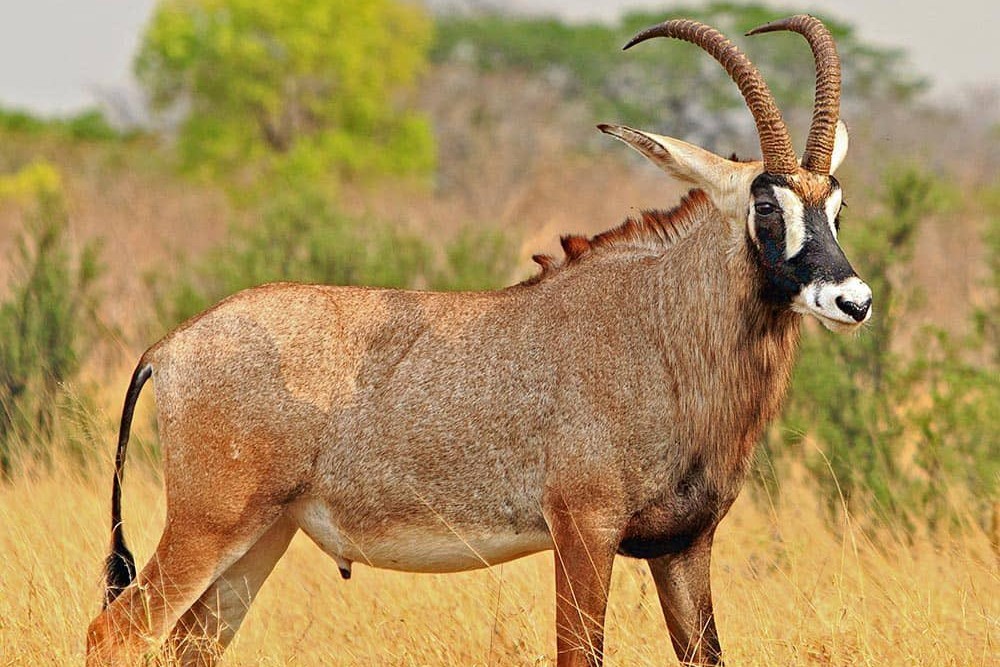
Roan Antelope Uganda
Roan Antelope Uganda
The Roan Antelope in Uganda: A Majestic Return to the Pearl of Africa
Introduction
The Roan Antelope (Hippotragus equinus), one of Africa’s most striking and elusive antelopes, is making a quiet yet powerful comeback in Uganda. Once widespread across the savannahs of sub-Saharan Africa, this majestic creature had nearly vanished from Ugandan landscapes. However, thanks to conservation efforts and habitat restoration, the roan antelope is once again becoming a symbol of Uganda’s rich biodiversity.
This comprehensive guide explores the roan antelope’s history in Uganda, its ecological significance, conservation status, and the best places to witness this rare species in the wild. Whether you’re a wildlife enthusiast, conservationist, or eco-tourist, this article offers a deep dive into one of Africa’s most captivating animals.
The Roan Antelope: A Profile of Elegance and Strength
Physical Characteristics
The roan antelope is one of the largest antelope species in Africa, second only to the eland. It is easily recognized by:
- A robust, muscular build
- A reddish-brown coat
- Distinctive black-and-white facial markings
- Long, backward-curving horns (present in both sexes)
- A short, tufted tail
Adult males can weigh up to 300 kg and stand over 1.4 meters at the shoulder, making them formidable opponents to predators.
Behavior and Social Structure
Roan antelopes are:
- Diurnal (active during the day)
- Social, typically forming herds of 5–15 individuals
- Territorial, with dominant males defending breeding rights
- Grazers, feeding primarily on mid-length grasses
Their alertness and strength make them less vulnerable to predators like lions and hyenas, although calves are often at risk.
Historical Distribution in Uganda
Historically, the roan antelope roamed the open woodlands and savannahs of northern and eastern Uganda. However, due to:
- Habitat loss from agriculture and human settlement
- Poaching for meat and trophies
- Competition with livestock
The species became locally extinct in many parts of the country by the late 20th century.
Current Status of Roan Antelope in Uganda
Conservation Status
The IUCN Red List classifies the roan antelope as “Least Concern” globally. However, in Uganda, it is considered critically endangered due to its limited population and fragmented habitats.
Population Estimates
Recent surveys estimate fewer than 100 individuals in Uganda, primarily found in:
These areas serve as critical habitats for the remaining populations and are the focus of ongoing conservation efforts.
Conservation Efforts and Initiatives
Government and NGO Involvement
Uganda Wildlife Authority (UWA) and various NGOs have launched initiatives to protect and reintroduce the roan antelope. These include:
- Anti-poaching patrols to reduce illegal hunting
- Community sensitization programs to promote coexistence
- Habitat restoration through controlled burning and reforestation
- Monitoring and research using camera traps and GPS collars
Translocation and Breeding Programs
To boost population numbers, conservationists have initiated:
- Translocation of individuals from other regions
- Captive breeding in protected reserves
- Genetic studies to ensure diversity and prevent inbreeding
These efforts aim to establish viable, self-sustaining populations across Uganda.
Best Places to See Roan Antelope in Uganda
1. Pian Upe Wildlife Reserve
Located in northeastern Uganda, Pian Upe is the country’s second-largest protected area. It offers:
- Open savannahs ideal for roan antelope sightings
- Other wildlife such as cheetahs, ostriches, and zebras
- Guided game drives and birdwatching tours
2. Kidepo Valley National Park
Renowned for its rugged beauty, Kidepo Valley is a remote gem in northeastern Uganda. Visitors can enjoy:
- High chances of spotting roan antelope in the Narus Valley
- Spectacular landscapes and mountain backdrops
- Rich cultural experiences with the Karamojong people
3. Aswa-Lolim Wildlife Corridor
This corridor connects Murchison Falls National Park to northern Uganda and is vital for wildlife migration. Conservationists are working to:
- Rehabilitate degraded lands
- Reconnect fragmented habitats
- Encourage roan antelope recolonization
Ecological Importance of the Roan Antelope
Roan antelopes play a crucial role in their ecosystems by:
- Maintaining grassland health through selective grazing
- Supporting predator populations as prey species
- Indicating ecosystem integrity, as their presence reflects well-managed habitats
Their decline often signals broader environmental issues, making them an important species for conservation monitoring.
Challenges Facing Roan Antelope Conservation
Despite progress, several threats persist:
1. Poaching and Illegal Wildlife Trade
- Driven by demand for bushmeat and traditional medicine
- Weak enforcement in remote areas
- Need for community-based anti-poaching units
2. Habitat Encroachment
- Expansion of agriculture and settlements
- Overgrazing by livestock
- Infrastructure development (roads, dams)
3. Climate Change
- Alters vegetation patterns
- Increases drought frequency
- Reduces water availability
4. Limited Funding and Resources
- Conservation programs often underfunded
- Reliance on donor support
- Need for sustainable financing models
The Role of Ecotourism in Roan Antelope Conservation
Benefits of Ecotourism
- Generates revenue for conservation
- Creates jobs for local communities
- Raises awareness about endangered species
Responsible Tourism Practices
To support roan antelope conservation, tourists should:
- Choose eco-certified lodges and tour operators
- Follow park rules and respect wildlife
- Support local conservation initiatives
How You Can Help
Whether you’re in Uganda or abroad, you can contribute to roan antelope conservation by:
- Donating to organizations like Uganda Wildlife Authority
- Volunteering with conservation programs
- Spreading awareness on social media
- Participating in citizen science projects
Fascinating Facts About Roan Antelope
- The name “roan” comes from their reddish-brown coat.
- They can run up to 55 km/h to escape predators.
- Males engage in fierce horn battles during mating season.
- Roan antelopes have a lifespan of up to 17 years in the wild.
- They are more aggressive than most antelope species.
Frequently Asked Questions (FAQ)
1. Where can I see roan antelope in Uganda?
You can spot them in Pian Upe Wildlife Reserve, Kidepo Valley National Park, and the Aswa-Lolim Wildlife Corridor.
2. Why are roan antelopes endangered in Uganda?
They face threats from poaching, habitat loss, and climate change, which have drastically reduced their numbers.
3. What is being done to protect them?
Conservation efforts include anti-poaching patrols, habitat restoration, and community engagement.
4. How can tourists help?
By choosing eco-friendly tours, respecting wildlife, and supporting local conservation projects, tourists can contribute to the protection of roan antelopes.
5. Are there any breeding programs in Uganda?
Yes, Uganda has initiated captive breeding and translocation projects to increase the population of roan antelopes.
Conclusion
The return of the roan antelope to Uganda is a testament to the resilience of nature and the power of conservation. While challenges remain, the combined efforts of government agencies, NGOs, local communities, and eco-conscious travelers offer hope for the future of this iconic species.
By protecting the roan antelope, Uganda not only preserves a piece of its natural heritage but also strengthens its position as a premier destination for wildlife tourism. The story of the roan antelope is one of survival, adaptation, and the enduring beauty of the wild.