
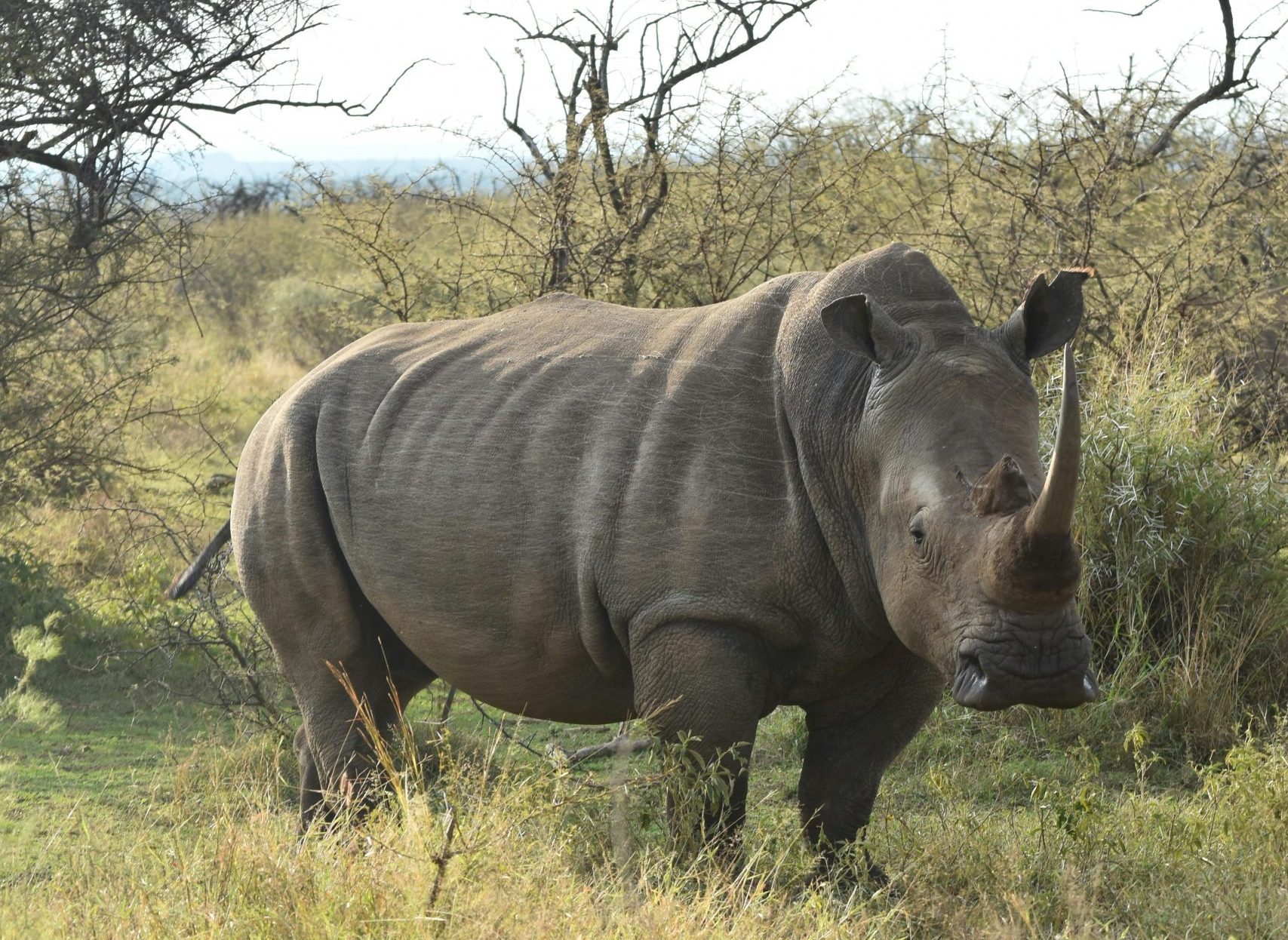
Rhino Tracking in Ziwa Rhino Sanctuary
Rhino Tracking in Ziwa Rhino Sanctuary
Rhino Tracking in Ziwa Rhino Sanctuary: A Field-Ready Guide to Uganda’s Most Thrilling Conservation Walk
Rhino tracking in Ziwa Rhino Sanctuary is one of the rare wildlife experiences in East Africa where conservation, intimacy, and adrenaline intersect in a single, guided walk. Here, you’re not peering at megafauna through a windshield—you’re following fresh spoor, reading the landscape, and closing the distance on one of the continent’s most iconic species under the strict oversight of trained rangers.
Ziwa is also far more than an “activity stop” en route to Murchison Falls. It’s the beating heart of Uganda’s rhino reintroduction effort, a working sanctuary where every footprint and radio call supports a wider ambition: returning rhinos to protected areas where they once roamed freely.
If you’re planning a longer East Africa itinerary and want to connect this Ugandan highlight with robust safari logistics and regional expertise, you can also explore planning resources via Turkana Wildlife Safaris.
What Makes Rhino Tracking in Ziwa So Exceptional?
Ziwa is the only place in Uganda where you can reliably see rhinos in the wild (semi-wild, protected conditions), and it offers a guided tracking walk that’s both safe and remarkably immersive. Unlike typical game drives where sightings can feel incidental, the entire experience is designed around a single mission: locating rhinos on foot.
A rare, close-range wildlife encounter
You often view rhinos at surprisingly close distances—always dictated by ranger assessment, wind direction, and animal behavior. This proximity is what makes the experience so visceral: the sound of grazing, the flick of ears, the mud-smeared armor of a rhino’s skin.
Conservation as the main event
Your permit supports anti-poaching patrols, ranger training, habitat management, and the broader rhino breeding program. In other words, your tracking fee has real conservation gravity.
For travelers stitching together multiple destinations, consider a broader safari-planning framework (routes, seasons, border logistics) using an operator-oriented reference like Turkana Wildlife Safaris.
Understanding Ziwa Rhino Sanctuary (And Why It Exists)
Ziwa Rhino Sanctuary was established to reintroduce rhinos into Uganda after they were wiped out by poaching and habitat pressures. Rather than keeping rhinos in fenced “zoo-like” conditions, Ziwa functions as a protected landscape where rhinos behave naturally feeding, breeding, and moving across large tracts of suitable habitat.
Key facts at a glance
- Location: Along the Kampala–Gulu highway (strategically placed between Kampala and Murchison Falls)
- Core purpose: Rhino breeding and rehabilitation for eventual rewilding
- Experience format: Guided, ranger-led walking track (not self-guided)
If you’re comparing similar conservation-centered experiences across East Africa, a safari operator’s destination overviews can help contextualize Ziwa within a broader itinerary—see Turkana Wildlife Safaris for planning inspiration.
How Rhino Tracking Works: Step-by-Step
Rhino tracking is not a random stroll. It’s structured, methodical, and led by professionals whose job is equal parts wildlife safety and conservation monitoring.
1) Arrival and briefing
You’ll receive a safety briefing covering:
- Behavior rules near rhinos
- What to do if an animal changes posture or direction
- How to walk as a group (spacing, silence, and movement cues)
2) Ranger-led tracking
Rangers use a mix of:
- Fresh tracks and dung assessment
- Known movement patterns
- Radio updates from monitoring teams
3) The approach
Your guide will typically:
- Keep the wind in your favor
- Use vegetation cover
- Pause often to scan and listen
4) Observation period
Once rhinos are found, you’ll observe quietly. You may learn:
- How to distinguish individuals
- Signs of stress vs calm behavior
- Feeding preferences and habitat use
5) Return walk and debrief
Expect a recap focused on:
- Conservation context
- What was observed (age class, behavior, health indicators)
- Questions and photography tips
To plan how Ziwa fits into a larger safari circuit—especially if you’re coupling Uganda with Kenya or northern routes browse itinerary ideas via Turkana Wildlife Safaris.
When to Go: Best Time for Rhino Tracking in Ziwa
Ziwa can be visited year-round, but conditions shift meaningfully with rainfall.
Dry seasons (generally best for walking)
- Easier walking trails
- Lower grass = better visibility
- Higher comfort for trekking
Wet seasons (lush but more challenging)
- Greener landscapes and dramatic skies
- Trails can be muddy
- Vegetation may reduce sightlines
Tip: If photography is a priority, dry-season light and reduced foliage often make sightings clearer.
If you’re coordinating this with an East Africa safari calendar, use a regional trip-planning reference like Turkana Wildlife Safaris to align seasons across countries.
What to Pack for Rhino Tracking (Practical, Not Overkill)
This is a walking wildlife activity—pack for comfort, dust or mud, and quiet movement.
Essentials
- Neutral-colored clothing (avoid bright whites and neon)
- Closed walking shoes or light boots (grip matters)
- Hat and sunscreen
- Insect repellent
- Water bottle
Nice-to-have items
- Binoculars (even at close range, helpful for behavior details)
- A light rain jacket (especially in shoulder months)
- Camera with a mid-range zoom (avoid loud shutter bursts if possible)
Avoid bringing
- Strong perfumes
- Noisy bags or crinkly wrappers
- Drones (typically prohibited and disruptive)
For a broader safari packing checklist approach—especially if you’re combining multiple ecosystems see operator led guidance at Turkana Wildlife Safaris.
Safety and Etiquette: How to Behave Around Rhinos
Rhinos are powerful, fast, and unpredictable if stressed. Safety is simple: follow instructions precisely.
Core rules that matter
- Stay in a tight group (no wandering)
- Keep voices low
- Do not run (unless instructed)
- Maintain the distance your ranger sets
- Never position yourself between a rhino and its path
How to read “rhino mood” (basic indicators)
Rangers are the experts, but you can observe:
- Ears scanning and head lifting repeatedly can suggest alertness
- Snorting, sudden direction shifts, or direct facing can signal discomfort
- Calm grazing with slow movement suggests a relaxed animal
If you’re seeking other wildlife walks or tracking-style experiences across East Africa, review options with a safari specialist such as Turkana Wildlife Safaris.
The Conservation Story Behind Your Permit
Ziwa is not only a tourism site it’s a living conservation project. Your tracking fee directly supports:
- Anti-poaching enforcement and patrol logistics
- Habitat management
- Veterinary care and monitoring
- Community outreach and conservation education
Why this matters for Uganda
Uganda’s rhinos were eradicated in the wild decades ago. Ziwa’s success is foundational to the possibility of:
- Reintroducing rhinos into larger national parks
- Strengthening Uganda’s biodiversity tourism portfolio
- Building long-term funding for protected area management
If you want to structure your travel around conservation-first experiences, you’ll find safari frameworks and operator perspectives on Turkana Wildlife Safaris.
Building the Perfect Itinerary: Ziwa + Murchison Falls (The Classic Pairing)
One of the smartest ways to experience Ziwa is as part of a northbound route to Murchison Falls National Park.
A strong 2–4 day structure
- Day 1: Depart Kampala → Rhino tracking at Ziwa → continue north
- Day 2: Murchison Falls (top-of-the-falls hike + game drive)
- Day 3: Nile boat safari (crocodiles, hippos, birds) + more wildlife viewing
- Day 4: Return south (optional stopovers)
If you’re comparing multiple operator-led itineraries across East Africa especially those balancing drive times and wildlife density browse planning ideas via Turkana Wildlife Safaris.
Photography Tips for Rhino Tracking
Rhino tracking rewards patience more than gear.
Smart shooting techniques
- Use silent or quiet shutter mode if available
- Avoid flash
- Capture behavior: grazing, ear movement, mud wallowing
- Include context: footprints, dung, ranger silhouettes, habitat textures
Composition ideas (for variety)
- Low-angle frames with grass foreground
- Side profiles that emphasize horn contour and skin texture
- Wide shots showing the landscape and conservation setting
For more safari photography planning and tour structure ideas, refer to Turkana Wildlife Safaris.
What Else Can You Do at Ziwa Rhino Sanctuary?
Rhino tracking is the headline, but Ziwa offers additional nature activities that deepen the visit.
Other experiences often available
- Nature walks for birds and smaller wildlife
- Shoebill tracking (seasonal/area-dependent)
- Community visits and conservation education insights
Ask ahead what is feasible on your travel dates and how it fits your schedule.
For itinerary-building across multiple destinations, consult Turkana Wildlife Safaris as a planning resource.
Costs, Permits, and Booking: What to Know Before You Go
Pricing can change, and the number of tracking slots per day is limited.
Booking considerations
- Reserve in advance in peak months
- Confirm start times (often morning and afternoon sessions)
- Arrive early for briefing
What your fee typically supports
- Ranger guiding and safety oversight
- Monitoring operations
- Sanctuary management and protection
If you’re booking a multi-country safari and want a single planning hub for logistics, itinerary flow, and scheduling, explore Turkana Wildlife Safaris.
FAQ: Rhino Tracking in Ziwa Rhino Sanctuary
1) Is rhino tracking in Ziwa safe?
Yes, when you follow ranger instructions. The walks are guided by trained personnel who understand rhino behavior and maintain appropriate distance and positioning.
2) How close do you get to the rhinos?
Distances vary depending on vegetation, wind, and the animal’s behavior. Sometimes you may be quite close, but the ranger sets limits for safety and minimal disturbance.
3) How long does the rhino tracking experience take?
Typically a couple of hours including briefing, walking, observation, and return—though exact duration depends on rhino location that day.
4) Can children do rhino tracking at Ziwa?
Age rules can vary by policy and safety considerations. It’s best to confirm with the sanctuary or your tour organizer before booking.
5) Can I combine Ziwa with other safari destinations?
Absolutely. Many travelers combine Ziwa with Murchison Falls, and some build longer East Africa circuits. For broader itinerary planning, see Turkana Wildlife Safaris.
Final Thoughts: Why Ziwa Should Be on Your Uganda Route
Ziwa Rhino Sanctuary offers something increasingly rare: a meaningful wildlife encounter that is both intimate and consequential. You’re not only seeing rhinos—you’re participating in the story of their return to Uganda.
If you’d like, tell me:
- Your travel month,
- Whether you’re coming from Kampala or Murchison, and
- How many days you have,