
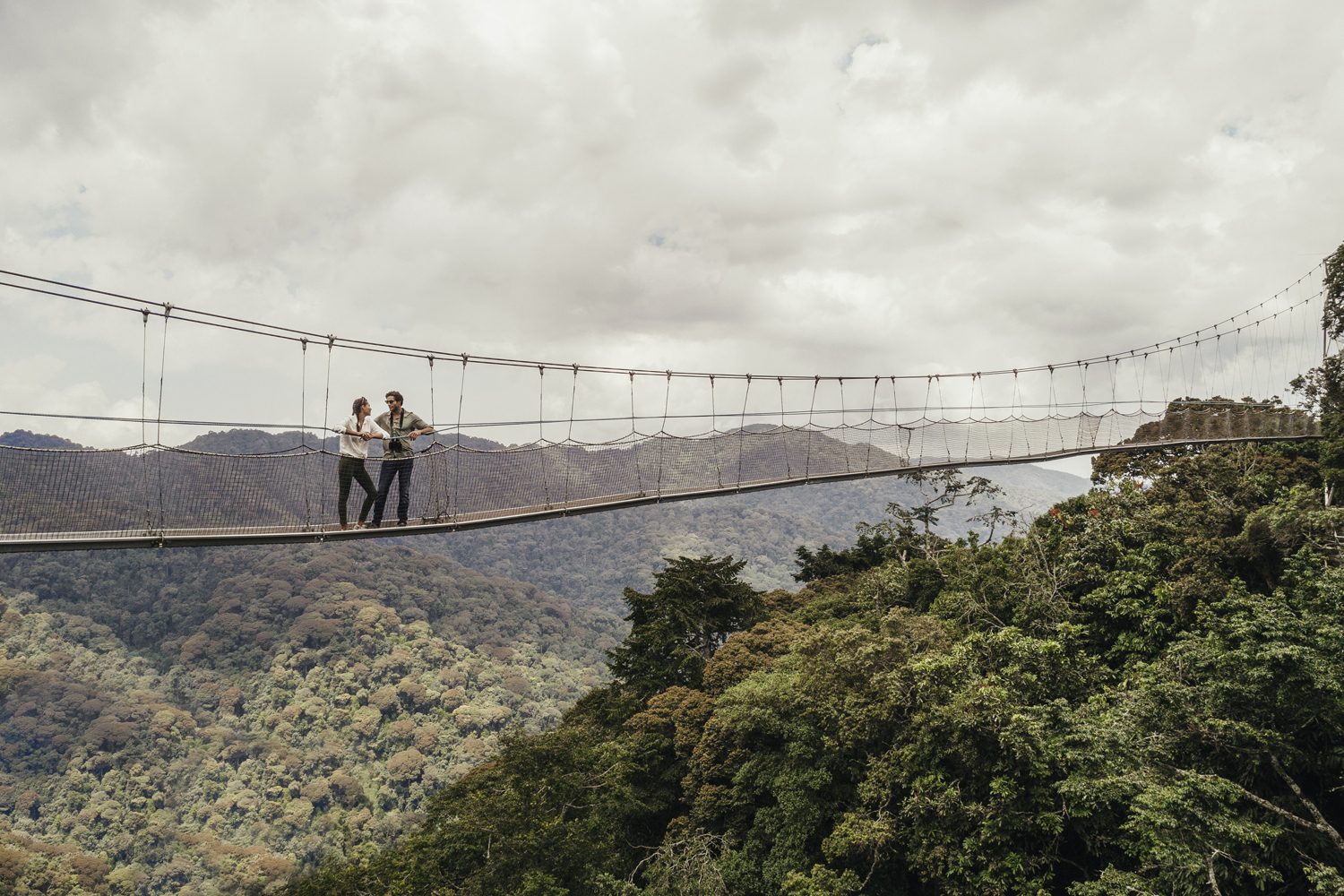
Nyungwe Canopy Walk
Nyungwe Canopy Walk
Discover the Thrill of the Nyungwe Canopy Walk: A Journey Above the Rwandan Rainforest
Introduction
Deep in the heart of Rwanda’s lush and ancient Nyungwe Forest National Park, suspended 70 meters above the forest floor, lies one of Africa’s most exhilarating eco-tourism experiences — the Nyungwe Canopy Walk. This awe-inspiring bridge offers not only a unique perspective of the rainforest but also a rare opportunity to witness biodiversity from a bird’s-eye view. Whether you’re an adventurer, nature lover, or cultural explorer, the canopy walk is a must-see highlight of Rwanda’s natural wonders.
In this comprehensive guide, we’ll explore everything you need to know about the Nyungwe Canopy Walk, from its ecological significance and travel logistics to the best times to visit, what to expect, and how to prepare for the journey.
What is the Nyungwe Canopy Walk?
The Nyungwe Canopy Walkway is a 160-meter-long suspension bridge that stretches across a deep gorge within the Nyungwe Forest. Towering 70 meters above the ground, it offers panoramic views of the rainforest canopy, giving visitors a rare glimpse into the upper levels of one of Africa’s oldest rainforests.
Constructed in 2010, the walkway is the first of its kind in East Africa and one of only a few in the entire continent. It’s part of a broader conservation and eco-tourism initiative aimed at promoting sustainable travel and preserving Rwanda’s rich biodiversity.
Why Visit the Nyungwe Canopy Walk?
🌿 A Unique Perspective on Biodiversity
The canopy walk allows visitors to observe flora and fauna that are typically hidden from ground-level view. From colorful butterflies to rare birds and primates, the forest canopy is teeming with life.
- Over 300 bird species, including the Ruwenzori Turaco
- 13 species of primates, such as the Angolan colobus monkey
- 200+ types of orchids and countless endemic plant species
🧭 Adventure and Adrenaline
Walking across a narrow bridge suspended above the treetops is not for the faint-hearted. The thrill of the height, combined with the breathtaking views, makes this a bucket-list experience for adventure seekers.
🌍 Eco-Tourism and Conservation
By participating in the canopy walk, you’re supporting conservation efforts and sustainable tourism in Rwanda. The revenue generated helps fund park maintenance, wildlife protection, and local community development.
Planning Your Visit
📍 Location
The canopy walk is located in Nyungwe Forest National Park, in the southwestern part of Rwanda, near the border with Burundi and the Democratic Republic of Congo.
- Distance from Kigali: ~225 km (6-hour drive)
- Nearest town: Gisakura
- GPS Coordinates: -2.4814, 29.2010
🕒 Best Time to Visit
The park is open year-round, but the best time for the canopy walk is during the dry seasons:
- June to September: Ideal weather, less rainfall
- December to February: Short dry season, good visibility
Avoid the rainy months (March–May and October–November) as trails can become slippery and visibility may be reduced.
Entry Fees and Booking
- Canopy Walk Permit: $60 USD per person
- Park Entry Fee: Additional charges may apply
- Guided Tours: Mandatory, led by certified park rangers
Advance booking is recommended through the Rwanda Development Board or authorized tour operators.
What to Expect on the Canopy Walk
The Hike to the Bridge
The canopy walk begins with a moderate hike through the forest, typically starting from the Uwinka Visitor Center. The trail is about 2.1 kilometers long and takes 1.5 to 2 hours round trip.
- Terrain: Uneven, with some steep sections
- Difficulty: Moderate
- Altitude: ~2,000 meters above sea level
The Walkway Experience
Once you reach the bridge, you’ll be harnessed for safety. The walkway is divided into three sections, with the longest stretch measuring 90 meters.
- Height: 70 meters above ground
- Width: 0.5 meters
- Materials: Steel cables and metal mesh
Expect some swaying, especially in windy conditions — it adds to the thrill!
Wildlife and Flora You Might Encounter
Nyungwe is one of the most biodiverse forests in Africa. While on the canopy walk, keep your eyes peeled for:
Primates
- L’Hoest’s monkey
- Grey-cheeked mangabey
- Blue monkey
- Chimpanzees (rarely seen from the canopy)
Birds
- Great blue turaco
- Red-collared mountain babbler
- Grauer’s swamp warbler
- Albertine Rift endemics
Plants and Trees
- Giant tree ferns
- Mahogany and ebony trees
- Epiphytes and mosses
- Orchids in bloom (seasonal)
Tips for a Safe and Enjoyable Experience
✅ What to Pack
- Waterproof hiking boots
- Lightweight rain jacket
- Binoculars and camera
- Insect repellent
- Reusable water bottle
What to Avoid
- Wearing sandals or open shoes
- Bringing heavy backpacks
- Feeding wildlife
- Straying off the trail
Photography Tips
- Use a wide-angle lens for panoramic shots
- Early morning light offers the best visibility
- Capture the bridge from multiple angles for dramatic effect
How to Get There
By Car
From Kigali, drive southwest via Muhanga and Huye. The road is paved and scenic, passing through rolling hills and tea plantations.
- Car rental with driver: ~$100–150/day
- Self-drive: 4×4 recommended
- Parking available at Uwinka Reception Center
By Bus
Public buses run from Kigali to Nyamagabe, but you’ll need a private transfer from there to the park.
By Air
Charter flights are available via Akagera Aviation to Kamembe Airport, followed by a 1-hour drive to the park.
Where to Stay
Lodges and Hotels Near Nyungwe
- One&Only Nyungwe House – Luxury eco-lodge within a tea plantation
- Nyungwe Top View Hill Hotel – Mid-range with panoramic views
- Gisakura Guest House – Budget-friendly and close to the park entrance
Camping Options
- Uwinka Campsite – Basic facilities, forest immersion
- Kitabi Eco-Center – Community-run, sustainable lodging
Cultural and Historical Context
Nyungwe Forest is not just a natural wonder — it’s a cultural treasure. The forest holds spiritual significance for local communities and is home to ancient legends and traditions.
- Banyarwanda folklore speaks of forest spirits and sacred trees
- Traditional medicine is still practiced using forest plants
- Local guides often share stories passed down through generations
Environmental Impact and Conservation
The canopy walk is part of a broader conservation strategy that includes:
- Anti-poaching patrols
- Reforestation projects
- Community education programs
- Scientific research on endemic species
By visiting responsibly, you contribute to the preservation of this irreplaceable ecosystem.
Frequently Asked Questions (FAQ)
1. Is the Nyungwe Canopy Walk safe?
Yes, the walkway is built to international safety standards and is regularly inspected. Visitors are accompanied by trained guides and provided with safety harnesses.
2. Do I need to be physically fit?
A moderate level of fitness is required. The hike to the bridge includes some uphill sections, but it’s manageable for most people in good health.
3. Can children participate?
Yes, but children under 6 are not permitted. Those aged 6–15 must be accompanied by an adult and may need to meet height requirements for safety.
4. What’s the best time of day to do the canopy walk?
Morning walks (8–10 AM) offer the best chances to see wildlife and enjoy clear views. Afternoon walks are also available but may be affected by rain or fog.
5. Are there other activities in Nyungwe?
Absolutely! Nyungwe offers:
- Chimpanzee trekking
- Waterfall hikes
- Birdwatching tours
- Cultural village visits
Final Thoughts
The Nyungwe Canopy Walk is more than just a tourist attraction — it’s a gateway to one of Africa’s most precious ecosystems. Suspended among the treetops, you’ll gain a new appreciation for the complexity and beauty of the natural world. Whether you’re seeking adventure, serenity, or a deeper connection with nature, this experience will leave you breathless — in the best way possible.
So lace up your boots, grab your binoculars, and prepare to walk among giants in the heart of Rwanda.