
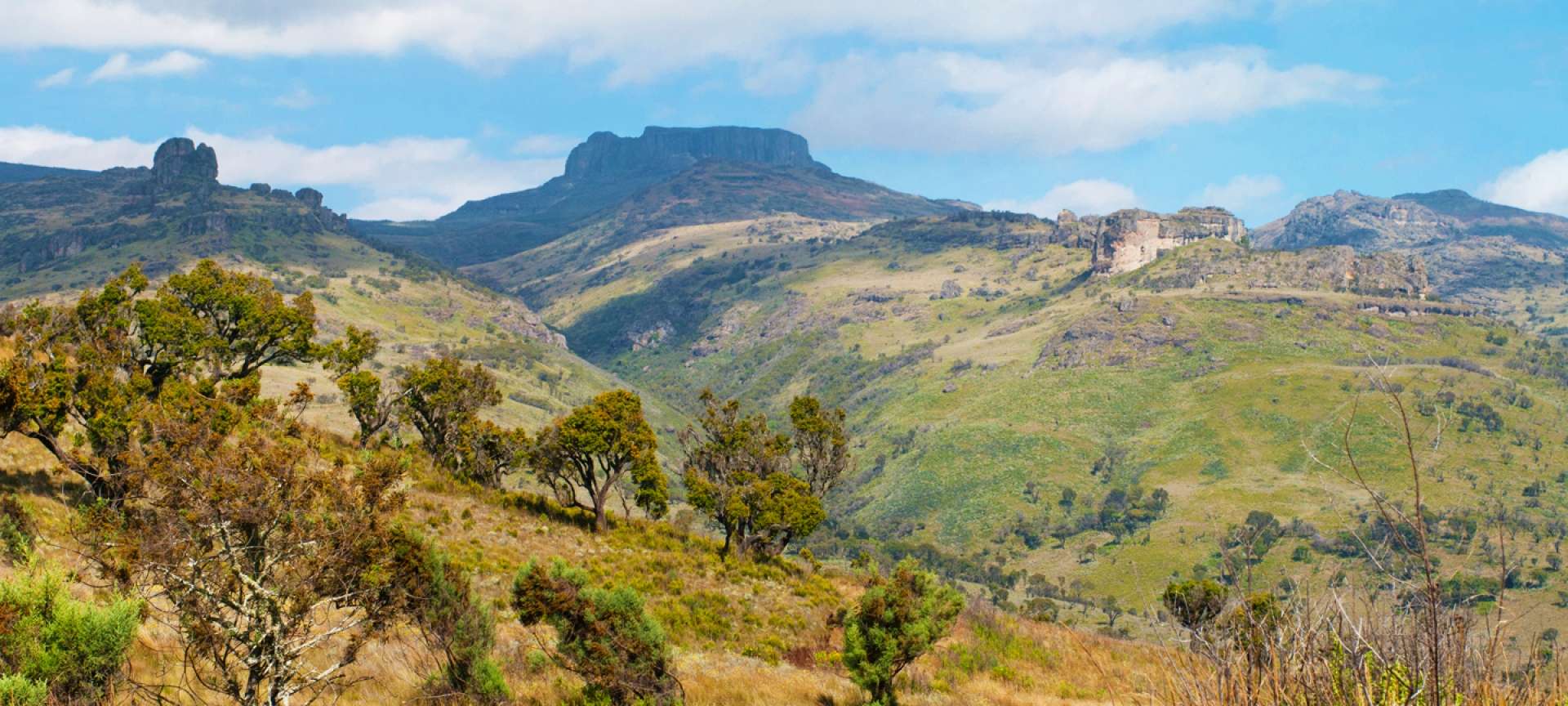
Mount Elgon National Park
Mount Elgon National Park
Introduction
Nestled on the border between Uganda and Kenya, Mount Elgon National Park is one of East Africa’s most underrated natural wonders. With its ancient volcanic origins, lush montane forests, and breathtaking caldera, this park offers a unique blend of biodiversity, adventure, and cultural heritage. Unlike the more frequented parks such as the Serengeti or Maasai Mara, Mount Elgon remains relatively untouched, offering a tranquil escape for nature lovers and eco-tourists.
This article delves deep into the wonders of Mount Elgon National Park, exploring its geography, flora and fauna, activities, cultural significance, and conservation efforts. Whether you’re a seasoned traveler or planning your first African safari, this comprehensive guide will unveil why Mount Elgon should be your next destination.
Geography and Geology of Mount Elgon
Mount Elgon is an extinct shield volcano, believed to have erupted over 24 million years ago, making it one of the oldest volcanic mountains in East Africa. Its massive base spans over 80 kilometers in diameter, and its summit, Wagagai Peak, rises to 4,321 meters above sea level, making it the fourth highest peak in East Africa.
Key Geological Features
- Caldera: One of the largest intact calderas in the world, measuring 8 km in diameter.
- Hot Springs: Found in the lower regions, particularly in the Kenyan side of the park.
- Caves: Formed by ancient lava tubes, such as the famous Kitum Cave, which is frequented by elephants in search of salt.
These geological marvels make Mount Elgon a paradise for geologists, hikers, and photographers alike.
Biodiversity: Flora and Fauna
Mount Elgon National Park is a biodiversity hotspot, boasting a wide range of ecosystems due to its altitudinal variation. From tropical montane forests to alpine moorlands, the park supports a rich tapestry of life.
Flora
- Montane Forests: Dominated by olive trees, Elgon teak, and podocarpus.
- Bamboo Zones: A critical habitat for various bird species.
- Afro-Alpine Vegetation: Includes giant lobelias and groundsels at higher altitudes.
Fauna
- Mammals: Elephants, buffaloes, bushbucks, and elusive leopards.
- Primates: Black-and-white colobus monkeys, blue monkeys, and vervets.
- Birds: Over 300 species, including the endangered Lammergeier and Jackson’s Francolin.
The park’s diverse habitats support a wide range of species, making it a prime destination for wildlife enthusiasts and bird watchers.
Activities and Attractions
Mount Elgon National Park offers a plethora of activities for all types of travelers. Whether you’re seeking adrenaline-pumping treks or serene nature walks, there’s something for everyone.
Hiking and Trekking
- Wagagai Peak Trail: The most popular route to the summit.
- Sasa Trail: Begins in Budadiri and offers a steep but rewarding climb.
- Piswa Trail: Known for its scenic views and gentle gradient.
Caving
- Kitum Cave: Famous for its salt-licking elephants.
- Chepnyali and Mackingeny Caves: Lesser-known but equally fascinating.
Bird Watching
- Best spots include the Kapkwai Forest Exploration Centre and the Chebonet Falls area.
Cultural Encounters
- Bagisu Tribe: Known for their Imbalu (circumcision) ceremonies.
- Sabiny People: Renowned for their traditional dances and agricultural practices.
These cultural experiences enrich your visit, offering insights into the lives of communities that have coexisted with the mountain for centuries.
Conservation Efforts and Challenges
Mount Elgon National Park is managed by the Uganda Wildlife Authority and the Kenya Wildlife Service, depending on the side of the border. Both organizations work tirelessly to preserve the park’s natural and cultural heritage.
Conservation Initiatives
- Anti-poaching Patrols: Regular surveillance to protect endangered species.
- Community Involvement: Local communities are engaged in eco-tourism and conservation education.
- Reforestation Projects: Aimed at restoring degraded forest areas.
Challenges
- Deforestation: Due to agricultural encroachment and charcoal burning.
- Human-Wildlife Conflict: Particularly with elephants and buffaloes.
- Climate Change: Altering rainfall patterns and affecting biodiversity.
Despite these challenges, collaborative efforts between governments, NGOs, and local communities are making a positive impact.
Best Time to Visit Mount Elgon
The park is accessible year-round, but the best time to visit is during the dry seasons:
- June to August
- December to February
During these months, trails are less slippery, and wildlife is easier to spot. However, the park’s high altitude means temperatures can drop significantly at night, so warm clothing is essential.
How to Get There
From Uganda
- By Road: From Kampala to Mbale (approx. 5 hours), then to the park’s main gate at Budadiri.
- By Air: Charter flights are available to Soroti or Mbale airstrips.
From Kenya
- By Road: From Nairobi to Kitale, then to the park’s Chorlim Gate.
- By Air: Domestic flights to Eldoret, followed by a road transfer.
Accommodation Options
Mount Elgon National Park offers a range of accommodation to suit all budgets.
Budget
- Kapkwai Forest Cottages
- Sipi River Lodge (budget rooms)
Mid-Range
- Mount Elgon Hotel & Spa
- Sipi River Lodge (mid-range cottages)
Luxury
- No luxury lodges within the park, but nearby Mbale town offers upscale options.
Camping is also available at designated sites within the park for those seeking a more immersive experience.
Sustainable Tourism Tips
To ensure your visit contributes positively to the park’s ecosystem and local communities, consider the following:
- Use local guides: Supports community livelihoods.
- Avoid single-use plastics: Help reduce pollution.
- Stay on designated trails: Prevents habitat destruction.
- Respect cultural norms: Especially during traditional ceremonies.
Mount Elgon vs Other East African Parks
| Feature | Mount Elgon | Serengeti | Maasai Mara | Bwindi |
|---|---|---|---|---|
| Main Attraction | Volcanic landscapes, caves | Big Five, migration | Big Cats, migration | Gorillas |
| Crowds | Low | High | High | Medium |
| Accessibility | Moderate | Easy | Easy | Moderate |
| Unique Feature | Salt-mining elephants | Wildebeest migration | Predator density | Gorilla trekking |
Mount Elgon stands out for its geological features and tranquil atmosphere, offering a different kind of safari experience.
Frequently Asked Questions (FAQ)
1. Is Mount Elgon safe for tourists?
Yes, both the Ugandan and Kenyan sides are considered safe. However, always check travel advisories and use registered tour operators.
2. Do I need a permit to hike Mount Elgon?
Yes, permits are required and can be obtained from the Uganda Wildlife Authority or Kenya Wildlife Service, depending on your entry point.
3. What should I pack for a trip to Mount Elgon?
- Waterproof hiking boots
- Warm clothing
- Insect repellent
- First aid kit
- Reusable water bottle
4. Can I combine Mount Elgon with other attractions?
Absolutely. Combine with:
5. Are there guided tours available?
Yes, several eco-tour companies offer guided treks, bird-watching tours, and cultural experiences.
Conclusion
Mount Elgon National Park is a sanctuary of serenity, biodiversity, and geological wonder. Its relatively low tourist traffic, combined with its rich natural and cultural offerings, makes it an ideal destination for those seeking an off-the-beaten-path adventure. Whether you’re scaling its misty peaks, exploring ancient caves, or engaging with local communities, Mount Elgon promises an unforgettable journey into the heart of East Africa.
For those who crave authenticity, sustainability, and awe-inspiring beauty, Mount Elgon is not just a destination—it’s a revelation.