
Karamoja Cultural Safaris
Karamoja Cultural Safaris
Karamoja Cultural Safaris — Deep Cultural Encounters in Uganda’s Wild Northeast
Introduction: Why Karamoja Is Africa’s Most Authentic Cultural Frontier
A journey into Karamoja is not a typical safari it’s a passage into one of East Africa’s most resilient, visually striking, and culturally intact regions. Tucked into Uganda’s northeastern frontier, Karamoja offers travelers an experience shaped less by lodges and timelines and more by living traditions, ancient pastoral rhythms, and landscapes that feel untouched by modern tourism.
Unlike conventional wildlife circuits, Karamoja cultural safaris revolve around people: their stories, artistry, ceremonies, homesteads, and relationship with cattle and land. This is the kind of travel that rewards patience and respect—where the most meaningful moments happen not at a viewpoint, but around a fire, at a market, or during a village walk guided by local elders.
For thoughtfully curated journeys, explore Turkana Wildlife Safaris, a regional specialist that can help shape an itinerary blending culture, nature, and responsible travel.
What Are Karamoja Cultural Safaris?
A Karamoja cultural safari is a guided cultural immersion through the communities and landscapes of northeastern Uganda often featuring:
- Village visits and guided cultural walks
- Traditional dance, song, and storytelling evenings
- Market visits (beadwork, metalwork, crafts)
- Insights into pastoral life and cattle culture
- Encounters with local chiefs/elders (where appropriate)
- Add-on nature experiences in nearby parks
Many travelers pair cultural experiences with scenic hiking, birding, or wildlife viewing. For planning support and regional extensions, see Turkana Wildlife Safaris.
The Cultural Heart of Karamoja: People, Identity, and Tradition
Karamoja is home to several related groups, with the Karamojong being among the most recognized. Cultural life is structured around:
1) Pastoral Heritage and Cattle Culture
Cattle represent wealth, identity, and social continuity. You’ll learn how livestock influences:
- Marriage traditions and bridewealth
- Family status and community responsibility
- Seasonal movement and grazing patterns
- Songs and oral histories linked to herds
2) Manyattas and Homestead Life
Traditional homesteads (often called manyattas) offer a glimpse into:
- Architectural methods using local materials
- Household roles and communal protection
- Food preparation and craftwork
- Daily rhythms shaped by climate and livestock needs
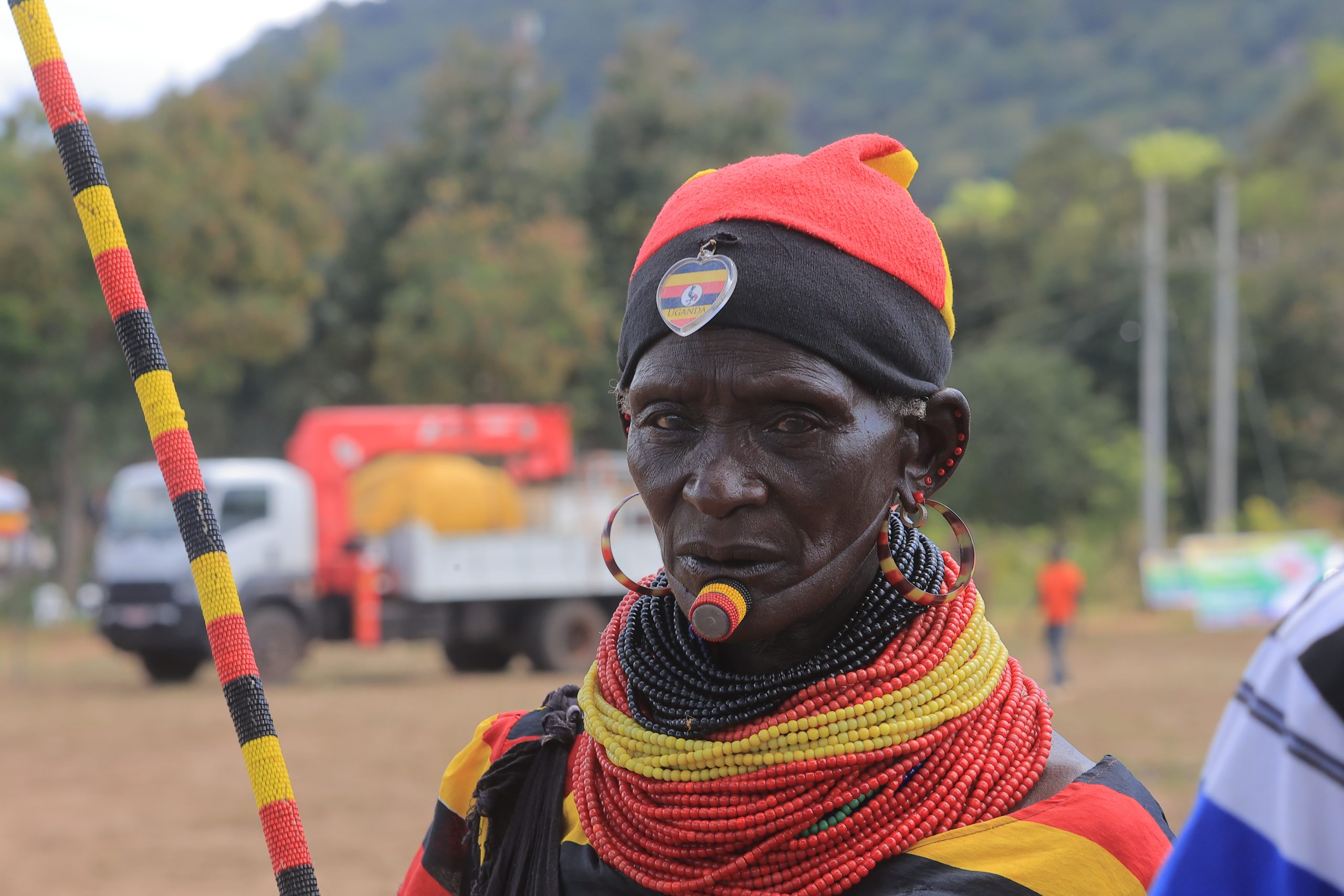
3) Beadwork, Ornamentation, and Symbolism
Karamoja’s aesthetic is bold and meaningful—color, pattern, and jewelry often communicate:
- Age set and life stage
- Marital status
- Social standing
- Clan or community identity
For travelers keen on culture-first routes curated by local insight, check itinerary ideas via Turkana Wildlife Safaris.
Top Experiences on a Karamoja Cultural Safari
To make the most of Karamoja, prioritize experiences that allow genuine interaction rather than “performances” staged for quick consumption.
Village Walks with Local Guides
A guided walk becomes a living classroom—covering:
- Plants used for medicine and food
- Water collection realities and adaptation
- Stories attached to hills, rocks, and grazing lands
- Household crafts and building techniques
Traditional Music and Dance (Ethical, Community Led)
When arranged transparently and fairly, community dance gatherings can be unforgettable. Look for experiences that:
- Are hosted by community groups
- Include explanation and context
- Provide direct compensation to participants
- Allow cultural boundaries to be respected
Market Visits: The Most Honest Cultural Window
Local markets reflect daily life more vividly than any curated stop. You may find:
- Handmade jewelry and beadwork
- Woven items and household tools
- Local foods and seasonal produce
- Community meeting and negotiation dynamics
Storytelling Sessions with Elders
Oral history is a cornerstone of Karamoja identity. A respectful session can explore:
- Migration narratives
- The meaning of rituals and ceremonies
- Changes in recent decades
- Community hopes for the future
Pair Culture with Nature: The Perfect Karamoja Extensions
Karamoja’s landscapes are dramatic granite outcrops, open savannah, volcanic ridges, and vast skies. Many itineraries combine culture with wildlife and hiking.
Add Kidepo Valley National Park
Often considered Uganda’s most spectacular park, Kidepo complements cultural travel with classic safari highlights:
- Lions, elephants, buffalo, giraffes
- Vast plains and rugged mountains
- Exceptional birding
- Low-crowd wilderness feel
Add Mount Moroto Treks
For active travelers, a trek around Mount Moroto offers:
- Scenic ridgelines and panoramic views
- Encounters with local communities en route
- A physical, immersive way to understand the land
Birding and Landscape Photography
Karamoja’s open vistas and distinct habitats make it ideal for:
- Sunrise/sunset landscape work
- Portraits (with permission)
- Bird photography in semi-arid zones
If you want a combined cultural + nature itinerary with proper pacing, start with Turkana Wildlife Safaris.
Best Time to Visit Karamoja
Karamoja is semi-arid, and seasonality affects roads, comfort, and community movement.
Generally recommended:
- Dry season (often best for road access and outdoor activities)
- Shoulder seasons can be rewarding if you’re flexible
Considerations:
- Rain can make remote routes slower
- Some cultural activities vary with grazing cycles
- Markets may be more or less active depending on season
For travel timing guidance aligned with your preferred experiences, consult Turkana Wildlife Safaris.
Responsible Tourism in Karamoja: How to Visit Respectfully
Cultural travel must be handled with care. Karamoja is not a theme park—it’s home.
Key Ethical Principles
- Ask before taking photos (always)
- Avoid intrusive questions or assumptions
- Dress modestly and appropriately
- Support community-led experiences
- Pay fair fees through transparent channels
- Don’t distribute sweets or cash to children
Choose Community-Positive Operators
A good operator helps ensure:
- Local guides benefit directly
- Visits are coordinated with community consent
- Cultural boundaries are respected
- Activities avoid exploitation
A starting point for region-aware planning is Turkana Wildlife Safaris.
Suggested Karamoja Cultural Safari Itineraries
3–4 Days: Karamoja Cultural Snapshot
Best for travelers already visiting northern Uganda.
Highlights
- Cultural walk + homestead visit
- Market morning
- Dance/storytelling evening
- Scenic viewpoints and photography stops
6–8 Days: Culture + Kidepo Combination
A strong balance of people and wildlife.
Highlights
- Multiple community experiences (not rushed)
- Kidepo game drives
- Birding and landscape exploration
- Optional hike day
10–14 Days: Deep Karamoja Immersion (Slow Travel)
Ideal for photographers, researchers, and culturally curious travelers.
Highlights
- Multiple villages and markets
- Longer conversations with community members
- Craft-focused encounters
- Expanded hiking and nature excursions
To customize any of the above, visit Turkana Wildlife Safaris.
What to Pack for a Karamoja Cultural Safari
Pack for sun, dust, and long days outdoors, with respect for local norms.
Essentials
- Light long-sleeve shirts (sun + modesty)
- Sturdy walking shoes
- Hat and high-SPF sunscreen
- Insect repellent
- Refillable water bottle
- Power bank and headlamp
- Neutral-colored clothing for photography and comfort
Useful Extras
- Small notebook (great for names and stories)
- A scarf or wrap (multi-purpose)
- Binoculars (birding + landscapes)
Practical Notes: Safety, Roads, and Travel Logistics
Karamoja travel has improved, but it remains remote in places.
- Travel with experienced local drivers
- Expect longer drive times than maps suggest
- Keep plans flexible for weather and community events
- Use a guide who understands local protocols
For logistics support and routing, Turkana Wildlife Safaris is a useful resource.
FAQ: Karamoja Cultural Safaris
1) Are Karamoja cultural safaris safe for tourists?
Yes, when arranged through experienced operators and local guides who understand routes, timing, and community protocols. For planning support, see Turkana Wildlife Safaris.
2) Can I take photos during village visits?
Often yes but only with permission. Your guide should help you ask appropriately and explain when photography is not welcome.
3) How many days do I need for a meaningful Karamoja trip?
A minimum of 3–4 days can work, but 6–8 days allows a richer, less rushed experience—especially if you combine culture with Kidepo.
4) What’s the best add-on to a Karamoja cultural safari?
Kidepo Valley National Park is the most popular extension for wildlife, scenery, and a classic safari feel.
5) How do I ensure my visit benefits local communities?
Choose community-led experiences, pay transparent fees, avoid exploitative “shows,” and work with operators focused on responsible cultural tourism such as Turkana Wildlife Safaris.
Conclusion: Karamoja Is Not a Detour, It’s a Destination
Karamoja rewards travelers who want more than checklists. It offers a rare chance to encounter living tradition, striking artistry, and landscapes that still feel immense and elemental. When visited respectfully and thoughtfully, Karamoja cultural safaris become not only memorable but meaningful.
To start planning a culture-forward itinerary with regional expertise, explore Turkana Wildlife Safaris and build a journey that honors both the destination and the people who call it home.