
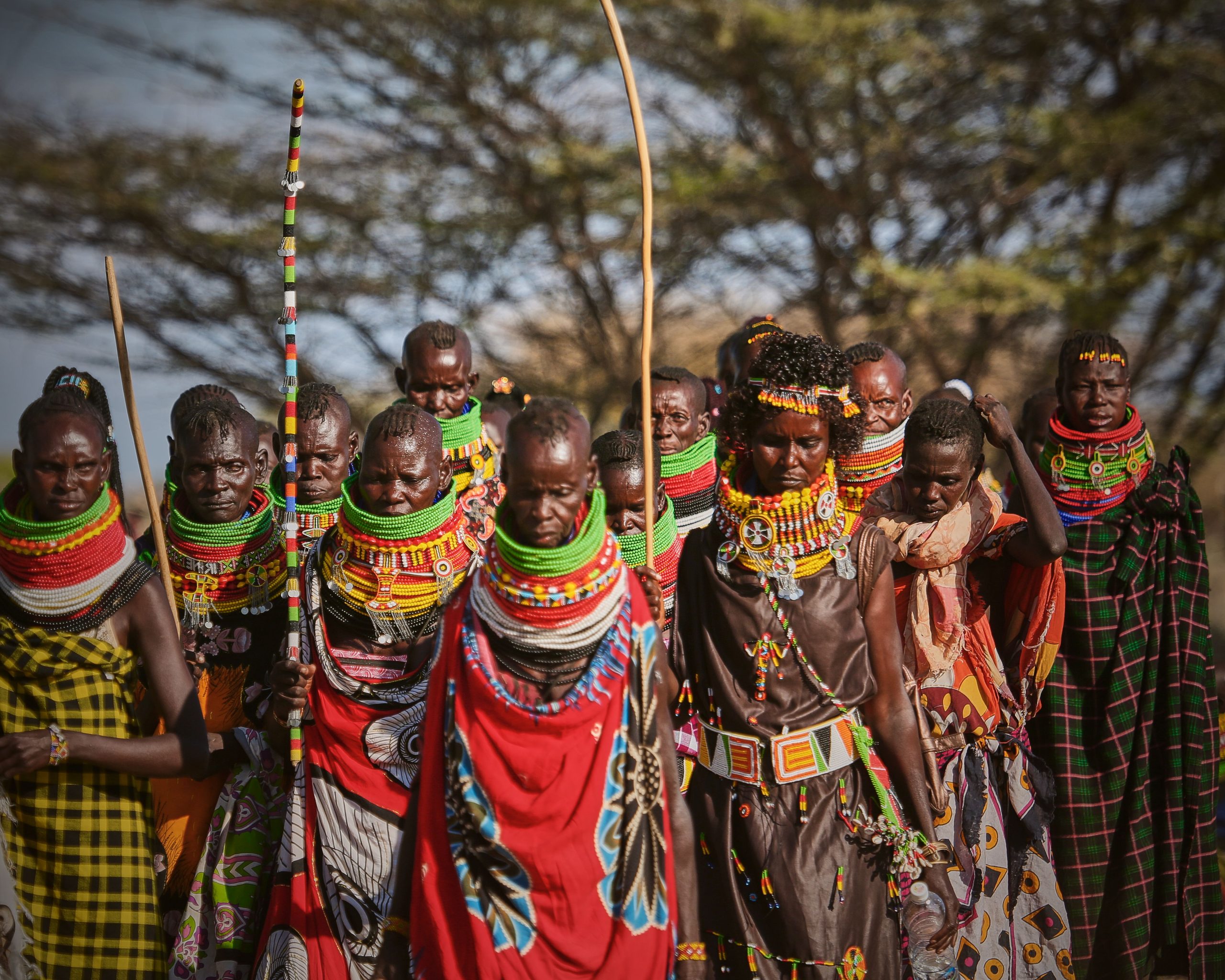
Karamoja Cultural Safari
Karamoja Cultural Safari
Karamoja Cultural Safari: Discover Uganda’s Authentic Heritage with Turkana Wildlife Safaris Uganda
Introduction
A Karamoja Cultural Safari offers one of the most authentic and rewarding travel experiences in Uganda. Located in the country’s northeastern region, Karamoja is home to vibrant indigenous communities, breathtaking landscapes, and traditions that have remained largely unchanged for generations. Unlike conventional wildlife safaris, a cultural safari in Karamoja immerses travelers in the daily lives, customs, music, dance, and history of the region’s fascinating ethnic groups.
With Turkana Wildlife Safaris Uganda, visitors enjoy expertly guided cultural tours that provide meaningful interactions with local communities while promoting responsible and sustainable tourism. Whether you are a cultural enthusiast, photographer, researcher, or adventurous traveler, Karamoja promises unforgettable experiences beyond the ordinary.
Where is Karamoja?
Karamoja lies in northeastern Uganda, bordering Kenya and South Sudan. The region consists of districts including Moroto, Kotido, Kaabong, Nakapiripirit, Abim, Amudat, Nabilatuk, and Karenga. Characterized by rugged mountains, expansive savannahs, rocky outcrops, and semi-arid plains, Karamoja offers dramatic scenery rarely seen elsewhere in Uganda.
Despite its remote location, improved road infrastructure has made the region increasingly accessible, allowing travelers to explore its cultural richness comfortably.
Why Choose a Karamoja Cultural Safari?
Karamoja remains one of Africa’s least commercialized cultural destinations. Visitors experience genuine traditions instead of staged performances designed solely for tourism.
A Karamoja Cultural Safari allows you to:
- Meet the renowned Karamojong pastoral communities.
- Experience traditional dances and music.
- Visit authentic Manyatta (traditional homesteads).
- Learn about cattle-keeping traditions.
- Discover local crafts and beadwork.
- Taste traditional Karamoja cuisine.
- Explore beautiful mountain landscapes.
- Support community-based tourism initiatives.
Every visit contributes directly to local livelihoods while preserving indigenous cultural heritage.
Meet the Karamojong People
The Karamojong are among Uganda’s most distinctive ethnic communities. Traditionally pastoralists, cattle remain central to their identity, economy, and social status.
Their culture emphasizes:
- Strong family and clan relationships
- Respect for elders
- Traditional leadership systems
- Oral storytelling
- Livestock management
- Colorful ceremonial attire
- Rich musical traditions
Visitors gain firsthand insights into how these traditions continue to shape daily life.
Visit Traditional Manyattas
One of the highlights of a Karamoja Cultural Safari is visiting a traditional Manyatta.
These circular settlements consist of:
- Family huts built from mud and sticks
- Protective thorn fences
- Livestock enclosures
- Community gathering spaces
Guided visits allow travelers to learn about:
- Traditional architecture
- Family life
- Marriage customs
- Food preparation
- Household responsibilities
- Community organization
Local guides explain the significance of each aspect of village life, ensuring respectful and informative cultural exchanges.
Experience Traditional Dance and Music
Music and dance are central to Karamojong identity.
Visitors often enjoy energetic performances featuring:
- Traditional jumping dances
- Rhythmic chanting
- Drumming
- Hand clapping
- Cultural songs
- Ceremonial performances
Guests are frequently invited to participate, creating memorable moments of shared cultural appreciation.
Learn About Cattle Culture
In Karamoja, cattle represent much more than wealth.
They symbolize:
- Social status
- Marriage traditions
- Family heritage
- Community identity
- Spiritual beliefs
During village visits, travelers learn how livestock influence nearly every aspect of Karamojong life, from ceremonies to conflict resolution.
Discover Local Handicrafts
Karamoja is renowned for beautiful handmade crafts.
Popular souvenirs include:
- Beaded necklaces
- Bracelets
- Earrings
- Decorative baskets
- Leather products
- Wooden carvings
- Traditional ornaments
Purchasing crafts directly from artisans supports local families and preserves traditional craftsmanship.
Taste Traditional Karamoja Cuisine
A cultural safari also introduces visitors to regional foods.
Common dishes include:
- Millet bread
- Sorghum porridge
- Roasted goat
- Local vegetables
- Fresh milk
- Honey
- Traditional herbal teas
Sharing meals with local families offers deeper cultural understanding and genuine hospitality.
Explore the Beautiful Landscapes
Karamoja’s scenery is equally captivating.
Visitors enjoy:
- Mount Moroto
- Rocky hills
- Open grasslands
- Dry river valleys
- Scenic sunsets
- Traditional cattle grazing areas
The region’s untouched beauty provides excellent opportunities for photography, hiking, and nature walks.
Combine Culture with Wildlife
One of the greatest advantages of visiting Karamoja is combining cultural experiences with wildlife adventures.
Nearby attractions include:
- Kidepo Valley National Park
- Pian Upe Wildlife Reserve
- Matheniko Wildlife Reserve
- Bokora Wildlife Reserve
Visitors can encounter elephants, lions, giraffes, cheetahs, ostriches, buffaloes, zebras, antelopes, and hundreds of bird species before or after cultural visits.
Community-Based Tourism
Responsible tourism plays an important role in Karamoja’s development.
Community tourism initiatives help:
- Create employment
- Support education
- Improve healthcare
- Preserve traditional knowledge
- Protect cultural heritage
- Empower women artisans
- Promote environmental conservation
Traveling with Turkana Wildlife Safaris Uganda ensures your visit positively impacts local communities through ethical tourism practices.
Best Time to Visit Karamoja
Karamoja is accessible year-round.
Dry Season (December to March & June to September)
Advantages include:
- Easier road travel
- Better hiking conditions
- Wildlife viewing
- Clear photography opportunities
Green Season (April to May & October to November)
Benefits include:
- Lush scenery
- Fewer tourists
- Beautiful landscapes
- Pleasant temperatures
- Vibrant cultural activities
Each season offers unique experiences.
What to Pack
For a comfortable Karamoja Cultural Safari, bring:
- Comfortable walking shoes
- Lightweight clothing
- Hat
- Sunglasses
- Sunscreen
- Camera
- Binoculars
- Reusable water bottle
- Personal medications
- Light jacket for cool evenings
Why Travel with Turkana Wildlife Safaris Uganda?
Turkana Wildlife Safaris Uganda specializes in authentic cultural and wildlife experiences across northeastern Uganda.
The company offers:
- Professional local guides
- Customized safari itineraries
- Safe transportation
- Community-focused experiences
- Cultural interpretation
- Wildlife safari combinations
- Responsible tourism practices
- Comfortable accommodation arrangements
Their deep understanding of Karamoja ensures travelers enjoy meaningful encounters while respecting local traditions and supporting sustainable development.
Frequently Asked Questions (FAQs)
Is Karamoja safe for tourists?
Yes. Karamoja has become much safer over the years, with improved security and infrastructure. Traveling with an experienced operator like Turkana Wildlife Safaris Uganda ensures a well organized and secure experience.
How many days should I spend on a Karamoja Cultural Safari?
A stay of 3–5 days is ideal to explore local communities, cultural sites, scenic landscapes, and nearby wildlife attractions.
Can I combine a cultural safari with wildlife viewing?
Absolutely. Many visitors combine cultural tours with game drives in Kidepo Valley National Park, Pian Upe Wildlife Reserve, and other protected areas.
What makes Karamoja different from other cultural destinations?
Karamoja offers authentic traditions, strong pastoral heritage, unique ceremonies, and meaningful interactions with local communities that have preserved their cultural identity for generations.
Is photography allowed?
Yes, but always ask for permission before photographing people, homes, or ceremonies. Your guide will help ensure respectful interactions.
What should I wear during village visits?
Modest, lightweight clothing and comfortable footwear are recommended. Dressing respectfully helps foster positive cultural exchanges.
Can families visit Karamoja?
Yes. Families, couples, solo travelers, photographers, and researchers can all enjoy enriching experiences in the region.
Why choose Turkana Wildlife Safaris Uganda?
Turkana Wildlife Safaris Uganda provides knowledgeable guides, customized itineraries, ethical tourism practices, and seamless combinations of cultural and wildlife adventures, ensuring an unforgettable journey through Karamoja.
Conclusion
A Karamoja Cultural Safari is far more than a holiday, it is an opportunity to connect with one of East Africa’s most resilient and culturally rich communities. From visiting traditional Manyattas and experiencing vibrant dances to learning about the central role of cattle in Karamojong life and exploring the region’s dramatic landscapes, every moment offers insight into a way of life that has endured for generations.
By traveling with Turkana Wildlife Safaris Uganda, you not only experience the authentic spirit of Karamoja but also contribute to sustainable tourism that benefits local communities and helps preserve their cultural heritage. Whether combined with a wildlife safari in Kidepo Valley National Park or enjoyed as a standalone cultural adventure, a Karamoja Cultural Safari promises memories, friendships, and perspectives that will last a lifetime.