
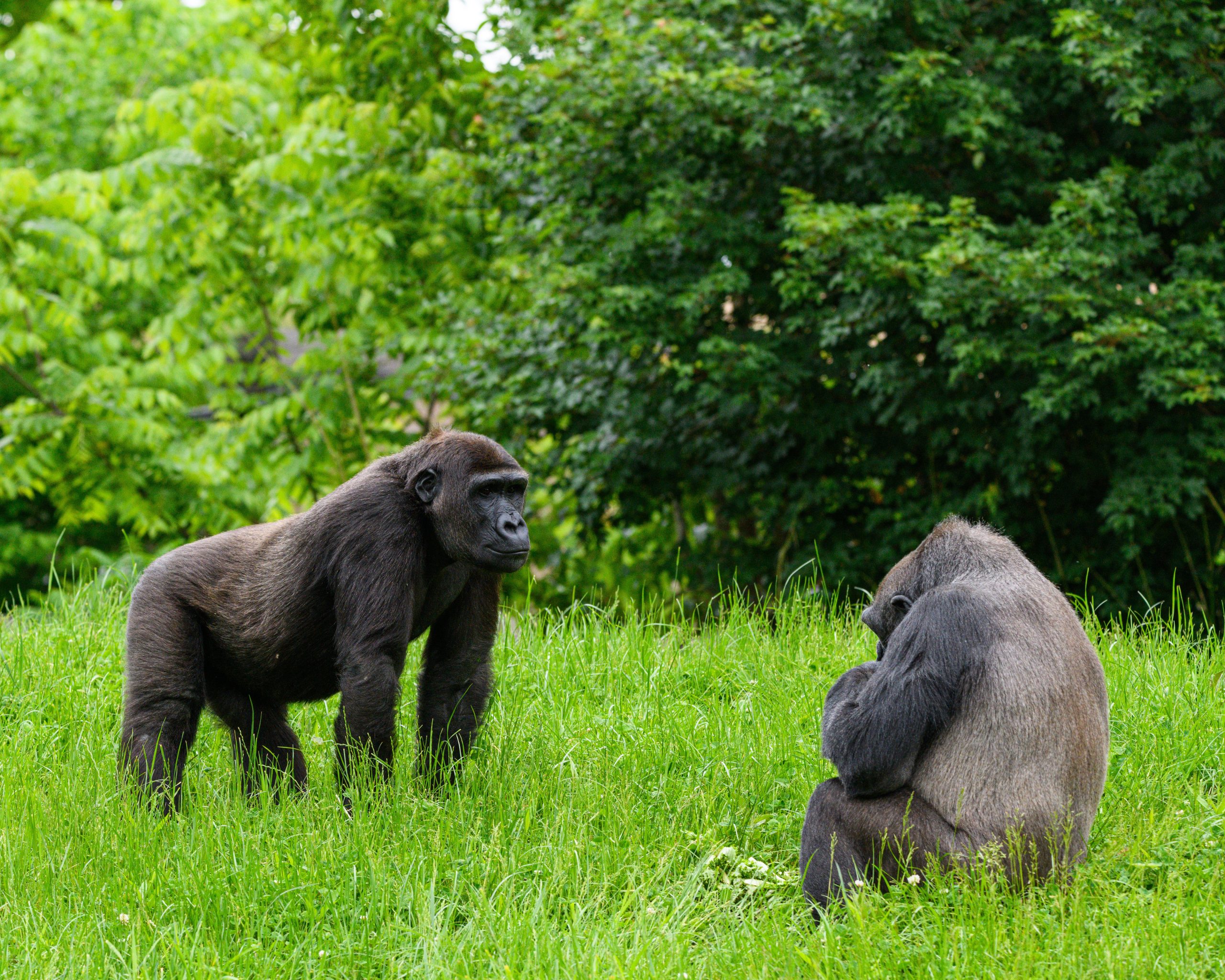
Health Requirements Gorilla Trekking
Health Requirements Gorilla Trekking
Health Requirements for Gorilla Trekking in Uganda: A Complete Guide by Turkana Wildlife Safaris Uganda
Health Requirements for Gorilla Trekking in Uganda
Gorilla trekking is one of Africa’s most extraordinary wildlife experiences, offering visitors a rare opportunity to encounter endangered mountain gorillas in their natural habitat. Uganda is home to nearly half of the world’s remaining mountain gorilla population, found primarily in Bwindi Impenetrable National Park and Mgahinga Gorilla National Park. To protect both visitors and gorillas, specific health requirements and guidelines must be followed.
At Turkana Wildlife Safaris Uganda, we prioritize the safety of our guests while ensuring the conservation of these remarkable primates. Understanding the health requirements before your trek will help you enjoy a safe and memorable adventure.
Why Health Requirements Matter
Mountain gorillas share approximately 98% of their DNA with humans, making them highly susceptible to many human diseases. Common illnesses such as flu, coughs, colds, and respiratory infections can have devastating effects on gorilla populations. Therefore, strict health protocols have been established by the Uganda Wildlife Authority (UWA) to minimize disease transmission.
Essential Health Requirements for Gorilla Trekking
1. Be Free from Contagious Illnesses
Visitors experiencing symptoms of infectious diseases such as:
- Flu
- Cough
- Common cold
- COVID-19 symptoms
- Tuberculosis
- Measles
- Other respiratory infections
should not participate in gorilla trekking. Rangers may deny access to individuals who appear visibly ill for the protection of the gorillas.
2. Maintain Good Physical Fitness
Gorilla trekking involves hiking through dense forests, steep slopes, muddy trails, and varying altitudes. Treks can last from 1 to 8 hours depending on the location of the gorilla family.
Visitors should:
- Be in reasonably good physical condition.
- Consult a doctor if they have heart conditions or mobility concerns.
- Prepare through regular walking or hiking before the trip.
3. Recommended Vaccinations
Although Uganda does not specifically require vaccinations for gorilla trekking, travelers are encouraged to be up-to-date with:
- Hepatitis A
- Hepatitis B
- Typhoid
- Tetanus
- Measles, Mumps, and Rubella (MMR)
- Yellow Fever (required for entry into Uganda from many countries)
- COVID-19 vaccinations as recommended by health authorities
Consult a travel health specialist several weeks before your trip.
4. Yellow Fever Certificate
Uganda requires proof of Yellow Fever vaccination for travelers arriving from countries with a risk of yellow fever transmission. Visitors should carry their vaccination certificate when traveling.
5. Follow Gorilla Trekking Health Protocols
During the trek, visitors must:
- Maintain a minimum distance of 7 meters (23 feet) from gorillas.
- Avoid touching gorillas.
- Cover the mouth and nose when coughing or sneezing.
- Use a face mask if required by park regulations.
- Follow all instructions from park rangers.
6. Hand Hygiene
Visitors are encouraged to:
- Wash hands before the trek.
- Carry hand sanitizer.
- Avoid leaving any waste in the forest.
7. Age Restriction
Only individuals aged 15 years and above are allowed to participate in gorilla trekking. This rule helps ensure visitors can safely complete the trek and understand conservation guidelines.
Preparing for Your Gorilla Trekking Adventure
What to Pack
For a comfortable and healthy trekking experience, pack:
- Sturdy hiking boots
- Long-sleeved shirts
- Long trousers
- Waterproof jacket
- Gardening gloves
- Insect repellent
- Sunscreen
- Reusable water bottle
- Energy snacks
- Personal medications
- Small first-aid kit
Staying Hydrated
The trek can be physically demanding. Drink plenty of water before and during the hike. Dehydration can affect your energy levels and overall trekking experience.
Conservation Through Responsible Tourism
Every gorilla trekking permit contributes directly to conservation efforts and local community development. By following health requirements and park regulations, visitors help protect endangered mountain gorillas for future generations.
Turkana Wildlife Safaris Uganda is committed to responsible tourism and works closely with conservation authorities to ensure sustainable wildlife experiences throughout Uganda and East Africa.
Why Choose Turkana Wildlife Safaris Uganda?
Turkana Wildlife Safaris Uganda offers:
- Customized gorilla trekking packages
- Professional safari guides
- Comfortable accommodation options
- Wildlife safaris across Uganda
- Chimpanzee tracking adventures
- Birdwatching tours
- Cultural and community experiences
- Reliable transportation services
Our team ensures that every guest enjoys a safe, informative, and unforgettable wildlife experience.
Frequently Asked Questions (FAQs)
1. Can I go gorilla trekking if I have a cold?
No. Visitors with flu, colds, coughs, or other contagious illnesses are advised not to trek because gorillas can easily contract human diseases.
2. Is a COVID-19 vaccination required for gorilla trekking?
Requirements may change over time. Travelers should check current Uganda Wildlife Authority guidelines and consult their tour operator before travel.
3. How difficult is gorilla trekking?
The difficulty varies depending on the location of the gorilla family. Treks can range from easy to strenuous and may last between 1 and 8 hours.
4. What vaccinations do I need before visiting Uganda?
Common recommendations include Yellow Fever, Hepatitis A, Hepatitis B, Typhoid, Tetanus, and routine vaccinations. Consult a travel health clinic for personalized advice.
5. How close can I get to the gorillas?
Visitors must maintain a minimum distance of 7 meters from the gorillas to reduce disease transmission risks.
6. Can children participate in gorilla trekking?
No. Gorilla trekking is restricted to individuals aged 15 years and older.
7. What should I do if I feel sick on the trekking day?
Inform your guide immediately. It is best to avoid trekking to protect the gorillas and other visitors.
8. Why are health requirements so strict?
Mountain gorillas are highly vulnerable to human diseases. Health protocols help ensure their survival and long-term conservation.
Conclusion
Gorilla trekking in Uganda is a once in a lifetime experience that combines adventure, wildlife conservation, and unforgettable encounters with endangered mountain gorillas. Following the required health guidelines is essential not only for your safety but also for the protection of these incredible animals. By traveling responsibly and adhering to conservation rules, visitors contribute to the continued survival of Uganda’s mountain gorillas.
Turkana Wildlife Safaris Uganda is proud to provide professionally guided gorilla trekking experiences that prioritize safety, sustainability, and exceptional customer service. Contact us today to plan your unforgettable gorilla trekking safari in Uganda and discover the magic of Africa’s gentle giants.